I’m not a doctor or therapist. This is based on my personal ADHD experience and is for informational purposes only. Please consult a qualified healthcare provider before making health decisions.
Sensory soothing ideas work by giving one sense a clear, predictable input instead of many competing ones. That is the fastest way to calm an ADHD nervous system when everything feels too loud. One woman realized she had been managing her sensory environment for thirty years without knowing it. She always chose the same classroom seat, back third, near a window. In reality, she was staying near an exit, next to something predictable. This guide covers why everything feels too loud by day’s end. You will find 10 soothing ideas for touch, sound, and movement.
Sensory soothing for ADHD works by lowering total input, not by adding more stimulation. The 10 ideas below split into 3 groups: touch based resets for when contact feels like too much, sound based resets for a loud environment, and 1 gentle movement option. Each takes under 5 minutes. None need special equipment.


Save this for later
You will want this again. Pin it to your planning board so it is one tap away when you need it.
Pin it for laterWhat are sensory soothing ideas for an ADHD nervous system?
Sensory soothing ideas are small, specific actions that reduce how much your senses have to process at once. An ADHD brain filters sensory input less than a typical brain does. Sound, touch, and light all compete for attention at close to the same volume. Soothing works by picking one sense and giving it a single, steady signal instead of many changing ones.
What makes an idea count as soothing rather than just distracting? A true soothing action lowers input. Distraction just swaps one busy input for another. Scrolling a phone during overload often makes things worse, not better. It adds a new stream of light and sound on top of an already full system.
Why does everything feel too loud by the end of the day?
Everything feels too loud by late afternoon because sensory input adds up across the day. Each sound, touch, and interruption uses a small amount of your nervous system’s capacity. That capacity does not reset until you rest. The National Institute of Mental Health describes difficulty regulating stimulation as a core feature of ADHD. By 4pm, a full day of input can leave almost nothing in reserve.
One mother described the exact moment this hits. By 4pm, her nervous system had already been touched, talked at, needed, and climbed on for seven hours straight. The moment someone’s hand reached for her again, something in her body just recoiled. It was not that she did not love them. Her skin had hit its limit, and nobody had warned her that was a real thing. Tactile overstimulation is a recognized sensory pattern in ADHD. Cumulative input across a day lowers the threshold for overwhelm. The same touch that felt fine at 9am can feel unbearable at 5pm.

How do you soothe your senses right now?
You soothe your senses right now by picking one input and making it steady. These 3 resets work in under a minute, anywhere, with nothing to buy and nothing to set up first. Pick whichever one matches the sense that feels loudest.
- Press your feet flat on the floor. One steady pressure point gives your brain a single clear signal to focus on.
- Hold something cold for 20 seconds. A cold glass or a chilled spoon works. The temperature change interrupts the overload signal fast.
- Close your eyes for 10 seconds. Cutting visual input alone removes a large share of the total sensory load for most people.
What if you cannot step away at all? Pick the one sense that feels loudest, and soothe only that one first. Trying to calm every sense at once usually backfires.
What helps when touch feels like too much?
When touch feels like too much, the fix is a real break from contact, not more comfort touch layered on top. These 2 ideas protect your skin’s limit before it gets crossed.
- Set a sensory break timer. Even 5 minutes alone, with no one touching or talking to you, lets your skin’s threshold reset before it maxes out.
- Say the limit out loud before it hits. “I need a minute with no touch” names the need early, instead of waiting until you recoil.
Why does naming it early work better than pushing through? Waiting until you snap teaches your brain that touch overload only gets addressed after it becomes a crisis. Naming it early breaks that pattern.
Which sounds actually calm an overloaded brain?
The sounds that calm an overloaded brain are steady and predictable, not silent. True silence can feel just as jarring as noise once your system is already flooded. These 2 ideas give your ears one signal to lock onto.
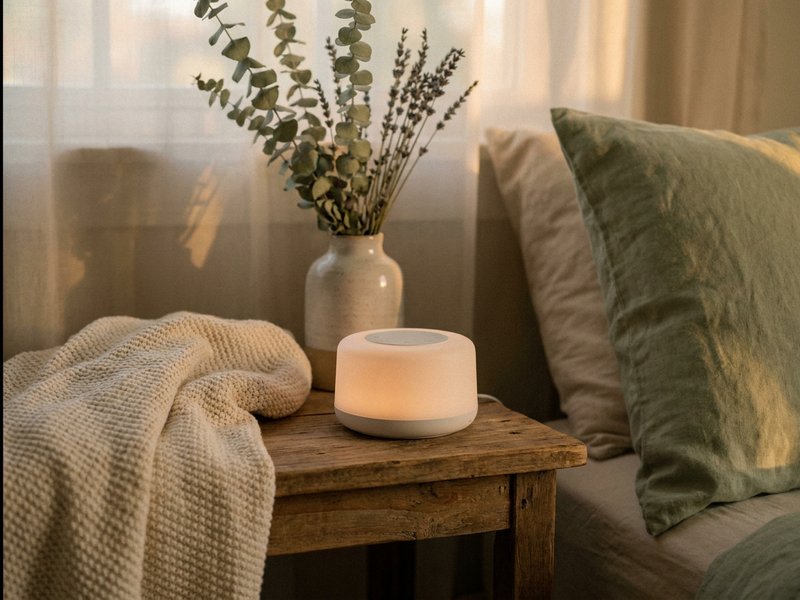
- Play steady white or brown noise. A fan, an app, or a small white noise machine gives your brain a constant sound to settle around instead of shifting background noise.
- Wear soft-frequency headphones with nothing playing. Just the gentle hush of noise dampening can lower how sharp every other sound feels.
Does the type of sound matter? Yes. A steady hum works better than music with lyrics. Lyrics ask your brain to process language on top of everything else.
Can gentle movement help you settle?
Gentle movement can help you settle, but the dose matters more than the willingness to sit still. Yin yoga is usually taught with 5 minute holds. That number gets treated as fixed, rather than as a setting you can adjust. One ADHD practitioner in an online yoga community adjusts it openly. They take yin in small doses, 2 to 3 minutes per pose instead of 5, depending on the day. Others pair a fast, active practice straight into a slow one. The logic: the body has to move first before the mind will settle.
- Try 2 minutes of slow stretching, not 5. Shortening the hold time makes settling practices sustainable on a low capacity day instead of one more thing to push through.
If breathing feels more doable than movement on a hard day, my 12 breathwork ideas to reset your ADHD nervous system covers options you can adjust the same way. Dose and sequence matter more than willpower there too.
How do you build sensory soothing into every day?
You build sensory soothing into every day by scheduling it before you need it, not only after overload hits. These 2 changes lower how often you reach for the emergency resets above.
- Keep one sensory tool within reach at all times. A soft object in your bag or on your desk means you never have to search for relief mid overload.
- Protect 10 minutes of true quiet before your loudest hour. Starting a demanding meeting or event already at capacity means far less new input tips you over.
When does sensory sensitivity need more than home fixes?
Sensory sensitivity needs more than home fixes when it happens daily, lasts for hours, or stops basic tasks like eating in public or answering the phone. Occasional overload after a loud day is common. A worsening pattern over time is worth bringing to a professional. The Centers for Disease Control and Prevention lists sensory and emotional regulation support as part of standard ADHD treatment.
Should you mention it even if it seems minor? Yes. A clinician can only work with what you describe. Bring the specific pattern, like which sense triggers it fastest and how long recovery takes, rather than just saying you feel overwhelmed.
My small win was the first morning I woke up before my alarm and felt rested instead of hit by a truck. It was not one magic product. It was the whole stack, the room dark, the noise steady, and my phone across the room. After years of dreading mornings, one good night felt enormous. I am counting it.
Pin this so the 10 ideas are here the next time everything feels too loud and thinking straight feels out of reach.
You do not need to tolerate a full sensory load to prove you can handle a busy day. Lowering the input is not giving up, it is the fastest way back to steady. You’re not behind. You’re just differently wired.
Found this helpful? Pin this guide so you can come back to it anytime.
Frequently Asked Questions
What are good sensory soothing ideas for ADHD?
Good sensory soothing ideas lower input rather than add new stimulation. Pressing your feet flat on the floor, holding something cold, playing steady white noise, and taking a real break from touch all work in under a minute and need no special equipment.
Why does everything feel too loud with ADHD by the end of the day?
Sensory input adds up across the day and does not reset until you rest. A brain that filters input less than average starts the day with less spare capacity, so the same sounds and touch that felt fine in the morning can feel unbearable by evening.
Is silence always calming for ADHD sensory overload?
No, true silence can feel just as jarring as noise once your system is flooded. A steady, predictable sound like white or brown noise usually settles an overloaded brain faster than total quiet, since it gives your ears one signal instead of none.
What helps ADHD touch sensitivity or touch overload?
Real breaks from contact help most, not more comfort touch layered on top. Setting a sensory break timer and naming your limit out loud before it hits both protect your threshold, instead of waiting until you recoil from being touched again.
Should I see a doctor about sensory overload with ADHD?
See a doctor if overload happens daily, lasts for hours, or stops you from basic tasks. Occasional overload after a loud day is common. A worsening pattern over time is worth describing to a professional, including which sense triggers it fastest.