The best sensory friendly products for ADHD women lower one input at a time, and 8 of them are compared below. One commenter told a newly diagnosed woman that by 30 she has probably been accommodating herself in her own way for years. The work now is finding the gadget that does each job better. This guide sorts products by sense, price, and effort.
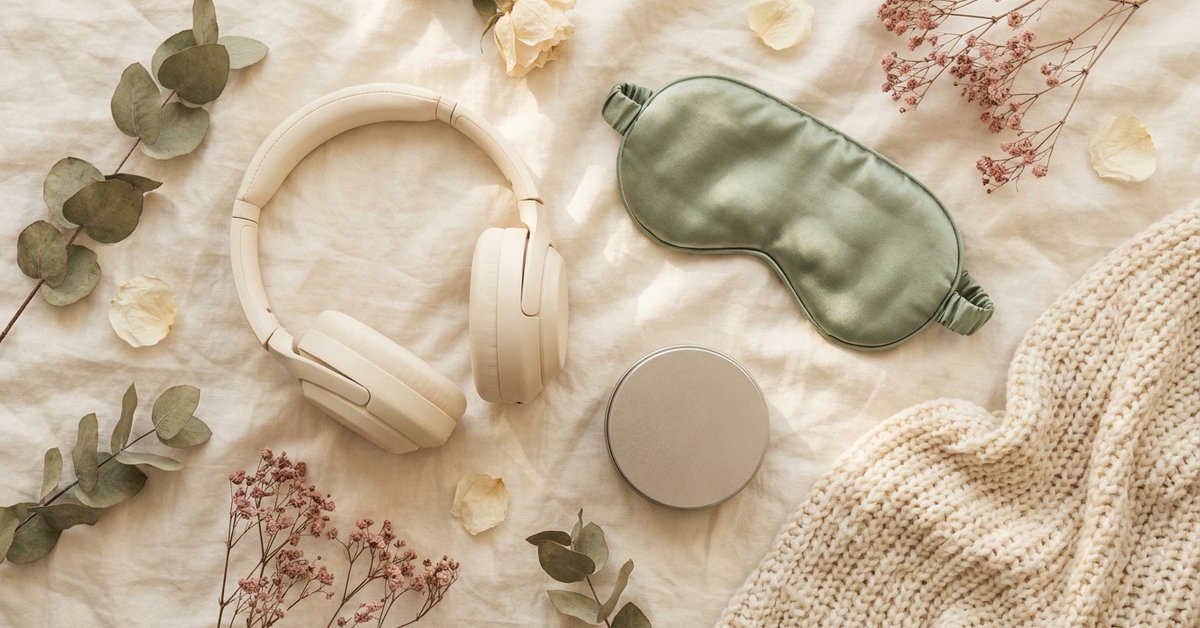
Start with the sense that bothers you most and change one thing: sound, light, touch, or heat. Earplugs at $25 to $45 and a $49 pair of smart bulbs cost far less than headphones at $429 or more. Skip any product that asks you to learn a new routine before it helps.

Save this for later
You will want this again. Pin it to your planning board so it is one tap away when you need it.
Pin it for laterWhy Do Sensory Products Help an ADHD Nervous System?
Sensory products help because ADHD brains often process sound, light, and touch differently, so the room itself can be a load. A study of 45 young adults, 23 with ADHD, used the Adolescent/Adult Sensory Profile and found that adults with ADHD reported more hyper and hypo sensitivity, even after the researchers controlled for anxiety and low mood. Differences showed up in low registration, sensation seeking, and sensory sensitivity.
What does that mean for shopping? The same nervous system can crave more input in one sense and need less in another, in the same room. A soft blanket can soothe you while a bright bulb drains you. So test one sense at a time, and expect your list to look different from anyone else’s.
For quick resets that cost nothing, read sensory soothing ideas for ADHD and how to calm down when you are overstimulated.
What Should You Look for in a Sensory Friendly Product?
Look for five things: the sense it targets, comfort over hours, setup effort, price, and the return policy. A product that fails any of the five becomes clutter.
- The sense: sound, light, touch, or heat. One purchase should solve one problem.
- Comfort over hours: a product you notice after 20 minutes will not survive a workday.
- Setup effort: zero is best. A product with an app and 3 settings waits in a drawer.
- Price: $8 to $450 here. Buy the cheaper version first when two products do the same job.
- Return policy: sensory fit is personal, so a 30 day return is worth more than a brand name.
Which Earplugs Calm Noise Without Silencing Everything?
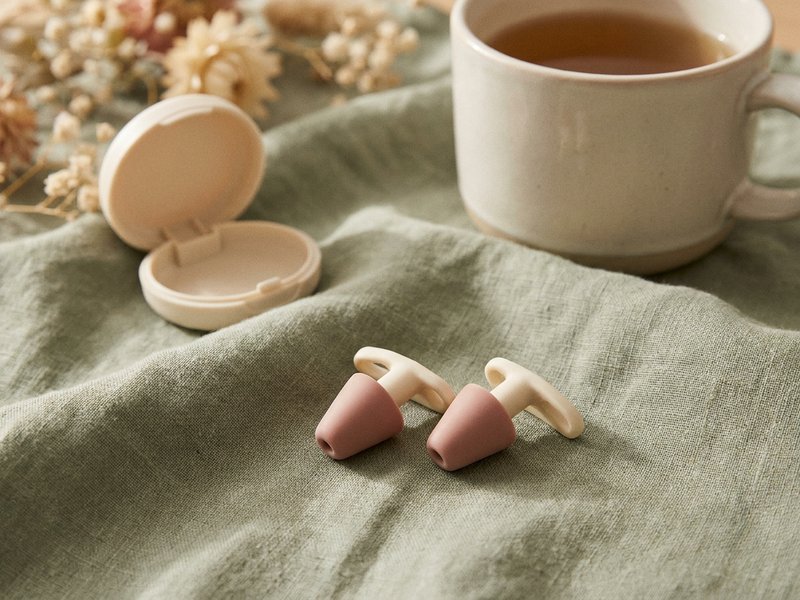
Loop earplugs calm noise without cutting you off from it. Loop Quiet 2 costs $24.95 and cuts background noise by 24 dB. Loop Experience 2 costs $34.95 and cuts 17 dB while keeping speech and music clearer. Loop Experience 2 Plus costs $44.95 and adds 3 dB of extra reduction with a removable Mute accessory.
One 5 star Amazon review describes the first minute. The reviewer put them in standing in her kitchen and her heart rate slowed. She had not realized how much noise she was bracing against until it softened. She cried a little, because something actually worked, and planned to take them to the grocery store next. She adds that it might not work for everyone, but she did not expect the difference that fast.
A 2 star review shows the other side. A night shift worker wanted them to work so badly, but they created a new internal hum, a closer and more personal one she could not escape. She returned them. The fit was not the problem, she says. The sound just was not hers. Is a failure like that common? Not in the reviews, but it is real, and it is why a return window matters.
Do Noise Cancelling Headphones Beat Earplugs?
Headphones beat earplugs when you want to switch between full quiet and awareness with one touch, and they cost 10 times as much. The Sony XM6 headphones list at $449.99, and the Bose QuietComfort Ultra Headphones list at $429. Both have an ambient mode that lets outside sound in.
A woman who started shopping for sensory comfort picked Bluetooth headphones that cancel noise but switch to ambient sound at the touch of a button, with controls she can adapt and a comfortable fit. She also got a 6kg weighted blanket that is helping her sleep. Her prescription glasses came from an online retailer with clip on sunglasses and yellow tints for $8, which take the edge off awful office lighting.
Her three purchases map to three senses: sound, touch, and light. Notice the price spread, from $8 to hundreds. Spend the most on the sense that disrupts your day the most.
Is a Weighted Blanket Worth It for ADHD?
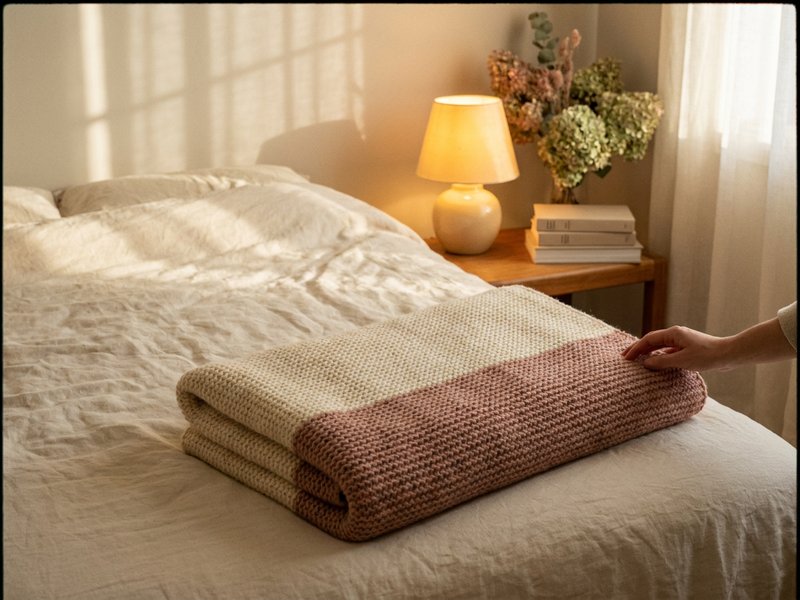
A weighted blanket is worth trying if deep pressure calms you, and the evidence is modest. The usual rule is about 10% of your body weight, and prices run $100 to $300, with examples at $119 and $179. A 16 week study of 94 children with ADHD, mean age 9, found that children who used the blanket at least 4 nights a week kept their total sleep time steady while those who used it 3 nights or fewer lost about 24 minutes.
The study found no significant change in time to fall asleep or sleep efficiency, and parent and child sleep problem scores improved more in the group that used the blanket often. Those were children, not adults, so treat the result as a reason to test, not a promise. Which weight do you choose? Start lighter than you think, since too heavy feels like a restraint.
Which Lighting Changes Calm a Bright Room?
Dimmable bulbs and tinted lenses calm a bright room at a low cost. Philips Hue White Ambiance 2 packs list at $48.99, with dimming down to 0.2% and a warm to cool range you control from an app or voice. That is the one product here with a setup step, so set it once and leave it alone.
For tinted lenses, FL41 is a tint originally developed to ease discomfort from fluorescent light. Quality FL41 glasses generally cost $80 to $200 or more, and generic options run about $25 to $51. A clip on tint over glasses you already own, like the $8 pair above, is the cheapest test. Does the tint help? Wear it for a week of office light before you decide.
What Helps With Touch and Heat?
Heat and soft pressure help with touch overload, and they are easy to test at home. A heated mattress pad costs from about $75 for a twin, and most queen and king models cost $120 to $230. A weighted eye mask costs $29.99 to $69 and blocks light while adding gentle pressure.
Fabrics matter as much as gadgets. Soft sheets, a smooth layer between you and a rough couch, and flat seams in socks remove small daily irritations that add up by evening. For a bigger reset when overload has already hit, see how to recover from sensory overload.
Best Sensory Friendly Products for ADHD at a Glance: Which Ones Win?
The table lines up all 8 picks by the sense each one targets. Prices are current United States listings and they shift with sales and sizes.
| Product | Best For | Price Range | My Take |
|---|---|---|---|
| Loop Quiet 2 earplugs | Background noise at home and work | $24.95 | The cheapest big win. 24 dB of reduction for the price of lunch. |
| Loop Experience 2 Plus earplugs | Loud events and social noise | $44.95 | Keeps speech clearer. Add the Mute accessory for 3 dB more. |
| Noise cancelling headphones (Sony XM6, Bose QC Ultra) | Commutes, open offices, switching modes | $429 to $449.99 | The best product, and the biggest bill. Buy after earplugs. |
| Weighted blanket | Deep pressure at night | $100 to $300 | Test with a lighter weight first. The evidence is from children. |
| Weighted eye mask | Light and pressure at rest | $29.99 to $69 | A small version of the blanket idea, and easy to travel with. |
| Philips Hue White Ambiance bulbs | Harsh room lighting | $48.99 for 2 | Set the dim level once, then do not touch the app again. |
| FL41 tinted glasses | Fluorescent and screen glare | About $25 to $200 or more | Try a clip on first. Pay for quality only if it helps. |
| Heated mattress pad | Cold, tension, and bedtime comfort | About $75 to $230 | Put it on a smart plug so the bed is warm on arrival. |
How Do You Build a Sensory Kit Without Overspending?
Buy in order of pain, not in order of excitement. Five steps keep the bill small:
- Track one week. Note when you feel worst and which sense is loudest.
- Pick one sense. Solve sound before light, or whichever hurts most.
- Buy the cheaper product. Earplugs before headphones, a clip on tint before FL41 lenses.
- Test for 7 days. Use it in real life, not for 10 minutes on the couch.
- Return what fails. A drawer of almost right products is a kind of clutter.
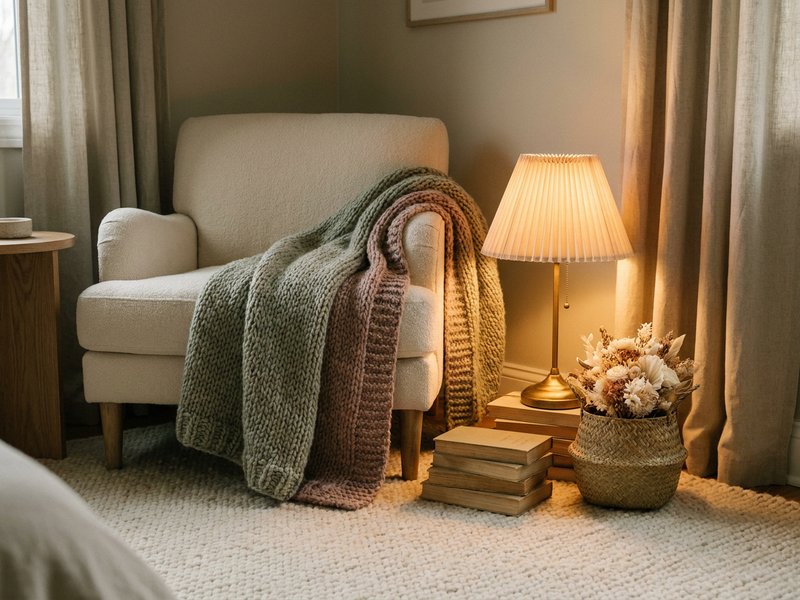
Want a place to put it all? 8 sensory corner ideas for a calmer home with ADHD shows how to build a corner around your kit.
When Do Sensory Products Not Help?
Sensory products stop helping when they become the only plan. If sound, light, or touch overload is severe, getting worse, or tied to panic, talk with a clinician. Products lower the load, and they do not treat the cause. Check with a clinician before you use heavy items if you have breathing or circulation concerns.
Is it time to ask for more help? If a product that used to work stops working, that is information. Read how to regulate your ADHD nervous system for the wider toolkit around these products.
Which Sensory Friendly Product Should You Buy First?
Buy Loop Quiet 2 earplugs first if sound is your problem, and a $49 pair of smart bulbs if light is. Both cost under $50 and take no setup. Add a weighted blanket or headphones later, once you know which sense is loudest.
Small wins here can be tiny. One woman bought towelling wrist bands for washing her face, to stop the water running down her arms. Face washing no longer takes forever, because she is not wiping drips constantly or avoiding it altogether, and the pressure feels so good that she wears them at other times too. She also warms her bed 20 minutes ahead, through a smart plug. You’re not behind. You’re just differently wired.
Found this helpful? Pin this guide so you can come back to it anytime.
Frequently Asked Questions
What are the best sensory friendly products for ADHD?
Start with earplugs such as Loop Quiet 2 at $24.95, smart bulbs at about $49 for 2, and a weighted blanket at $100 to $300. Add noise cancelling headphones at $429 or more once you know sound is your main problem. Buy one product per sense and test each for 7 days.
Do ADHD brains have more sensory sensitivity?
A study of 45 young adults, 23 with ADHD, found more hyper and hypo sensitivity in the ADHD group, even after controlling for anxiety. Differences appeared in low registration, sensation seeking, and sensory sensitivity. It was a small sample, so treat it as a pattern, not a rule.
Do weighted blankets help ADHD sleep?
Evidence is modest and comes from children. In a 16 week study of 94 children with ADHD, those who used the blanket at least 4 nights a week kept total sleep time steady while others lost about 24 minutes. Time to fall asleep did not change significantly.
Are earplugs or noise cancelling headphones better?
Earplugs cost $25 to $45 and are easy to carry. Headphones cost $429 to $450 and let you switch between full cancellation and ambient sound. Start with earplugs, and move to headphones if you want that switch every day.
How much should I spend on sensory products?
Start under $50 for one sense. Earplugs at $24.95 to $44.95 or a 2 pack of smart bulbs at $48.99 cover sound and light. Spend more only after a cheaper product has proven the sense matters, and keep every return window in mind.