The best ADHD tools for beginners cost $0 to $60, and 3 free ones can start today. One woman is chronically 5 to 15 minutes late to everything, her whole life. She leaves at the exact time she should be arriving, every single time, despite knowing better and wanting to be different. Time blindness is not a choice, but it looks like one from the outside.
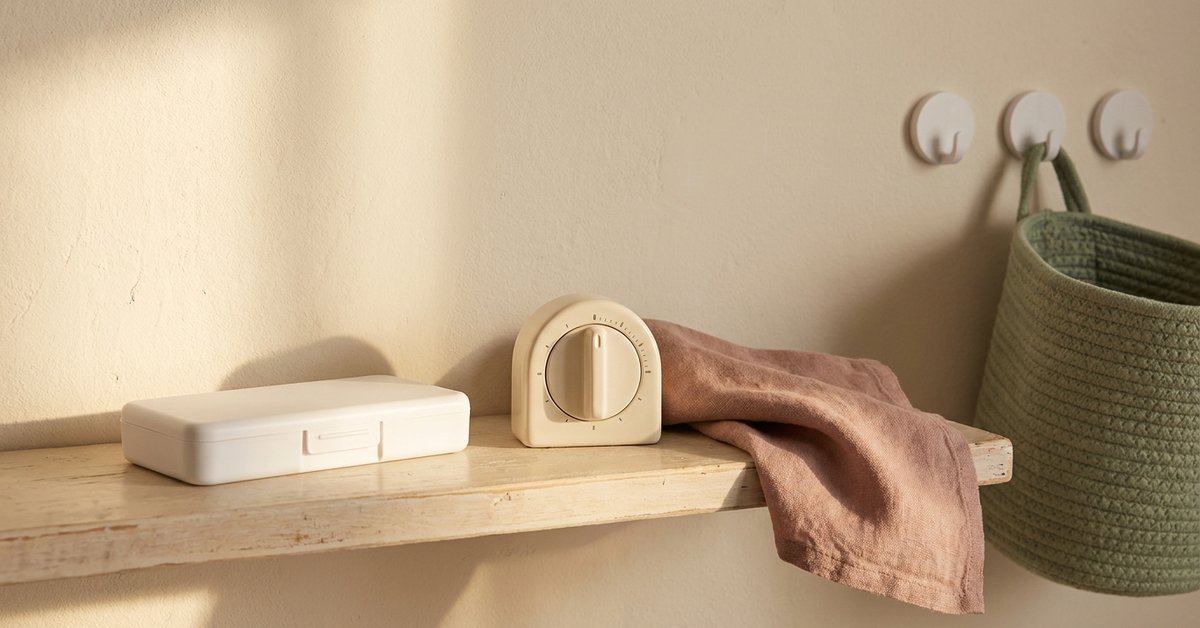
Start with free tools: phone alarms, a running note, and a timer. Then add 1 paid tool at a time: hooks cost $3.24, a pill organizer $5.32, a visual timer $24.95, and smart bulbs $39.99 for 4. Skip the $99 to $449.99 items until a cheaper tool fails.

Save this for later
You will want this again. Pin it to your planning board so it is one tap away when you need it.
Pin it for laterWhat Are ADHD Tools for Beginners?
ADHD tools for beginners are cheap, simple aids that do work your memory and time sense drop. The National Institute of Mental Health lists trouble remembering daily tasks among the everyday problems adults with ADHD describe, so the habit that matters most is writing things down: assignments, messages, appointments, and reminders. Every tool in this guide supports that 1 habit.
You do not need a full kit on day 1. Which of these costs you the most right now, lateness, lost items, or missed plans? Start with the tool for that 1 problem, and use the price tiers below to keep the bill small.
Free printable, two pages
Dropped your planner again?
Start Again Here is a free two-page restart for the week you fall off. Print it tonight, fill in three lines, and you're back in.
Check your inbox
We just sent you a confirmation email. Click the link inside to finish.
Which Free Tools Should You Try Before You Spend Anything?
Try 3 free tools first: labeled phone alarms, a running note, and a phone timer. One woman keeps a running note on her phone called “for therapy.” Every time something hits during the week, a spiral, a win, a thing she wants to understand, she drops a line in there. Walking in with 3 bullet points changed what she gets out of the hour.
Copy the idea for any recurring need, such as groceries, a doctor visit, or a work meeting. Label alarms with the action, such as “leave now,” not “7:40.” Set the timer for 20 minutes, and stop when it rings. Did a free tool fix the problem? Then you saved the money.
What Can You Buy for Under $10?
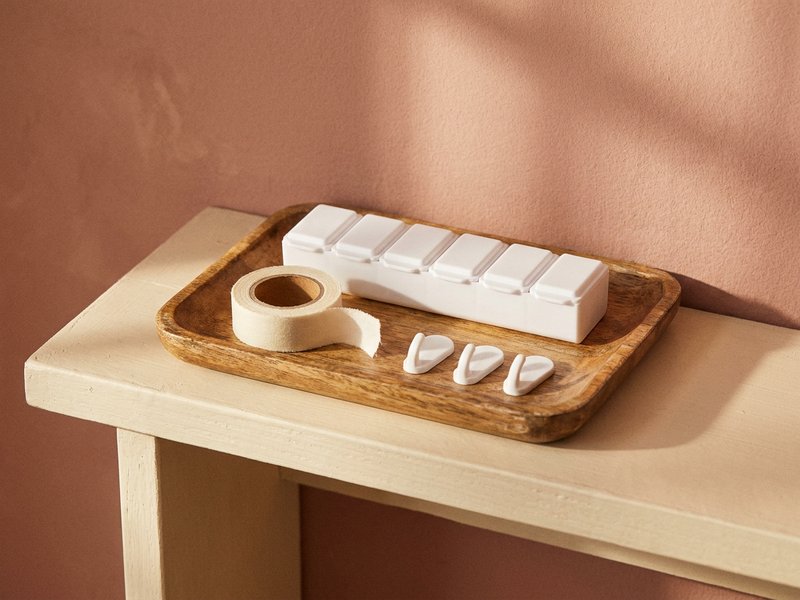
Under $10 you can buy 4 tools that make problems visible. The table lists them with 2026 price ranges from retailer listings, and prices move with sales. Hooks start at $3.24, a pill organizer at $5.32, a fridge calendar at $7.13, and a Tangle fidget at $7.99.
| Price Tier | Tool | Price Range | Job It Does |
|---|---|---|---|
| Free | Labeled phone alarms, running note, phone timer | $0 | Reminders, memory, and time checks. |
| Under $10 | Command hooks | $3.24 and up | Keys and bags get a spot at eye level. |
| Under $10 | Weekly pill organizer | $5.32 to $12.99 | An empty slot proves you took the dose. |
| Under $10 | Magnetic fridge calendar | $7.13 and up | The month sits where you pass 10 times a day. |
| Under $10 | Tangle Relax Therapy | $7.99 to $10 | A silent fidget for your hands. |
| $10 to $30 | Time Timer MOD Home Edition | $24.95 | A shrinking disk shows minutes left. |
| $10 to $30 | Handheld label maker | $19.99 and up | Labels tell you what belongs where. |
| $10 to $30 | Loop Quiet 2 earplugs | $24.95 | Softer sound for focus and travel. |
| $30 to $60 | Kasa smart bulbs, 4 pack | $39.99 | Light that dims on a schedule. |
What Is Worth $10 to $30?
A visual timer is the best $10 to $30 buy for most beginners, and the Time Timer MOD Home Edition costs $24.95. It shows the minutes left as a shrinking colored disk, so you do not have to do math. A label maker at $19.99 helps if clutter is your problem, and Loop Quiet 2 earplugs at $24.95 help if noise is.
Pick only 1. Which problem did your free tools fail to fix? Buy the tool that matches it. Your phone timer works for many people, so skip the visual timer if the free one already does the job.
What Is Worth $30 to $60?
Smart bulbs are the 1 purchase in this tier that earns its place, and a Kasa 4 pack costs $39.99. They let you dim a lamp you already own and set a schedule, so evening light tells your brain the day is ending. Set 1 warm tone, and ignore the color modes.
Do you need them? Only if light bothers you or your evenings run late. Otherwise, hold your money. For lamp ideas, read 6 decor mistakes that overstimulate ADHD brains.

Which Tools Should You Skip at First?
Skip the expensive and the fancy until a cheaper tool fails. An Apple AirTag 4 pack costs $99.00, noise cancelling headphones such as the Sony WH 1000XM6 cost $449.99, and a Gravity weighted blanket costs $149 to $275. Each can help someone, and none belongs in a first kit.
Planners are the other trap. Buying a planner and abandoning it within months is a repeat pattern in ADHD reader comment sections. One ADDitude commenter summed up the cycle: “It is a beautiful planner that I have had for about 6 months and have used one page total.” Dozens of replies describe the same arc. That pattern points to a mismatch between task initiation and planning tools, not a lack of desire to get organized.
How Do You Test a Tool Without Wasting Money?
Test a tool for 14 days, and decide before the return window ends. A CBT program for adult ADHD tested on 31 adults spent 4 of about 10 sessions on psychoeducation and organization, because a new tool needs a setup period. Copy that at home: use the tool every day, and note each day you skip.
Check the return policy before you pay. Did you skip it on 3 days or more? Return it, or move it to where the problem happens. For a full method, read how to build your first ADHD toolkit.
What If You Already Own Half Used Tools?
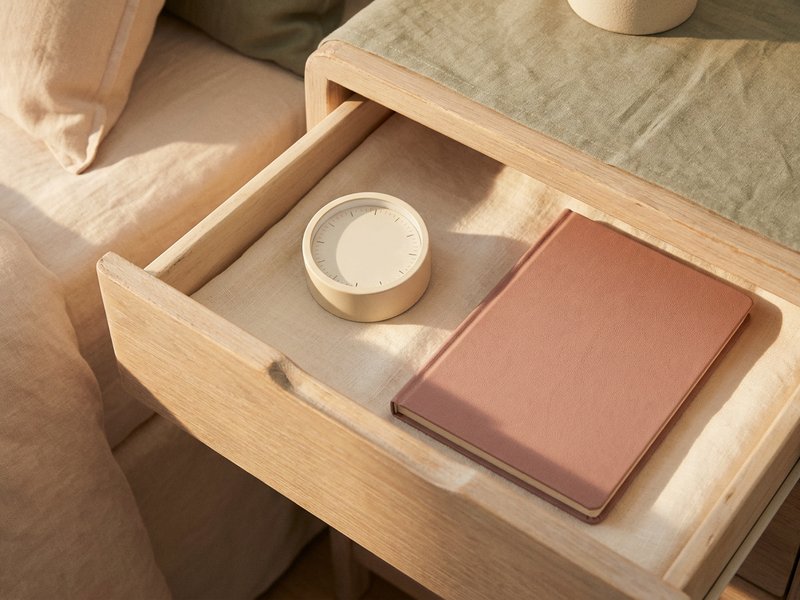
Use what you own before you buy anything new. Pull out the unused planner, timer, or pill box, and move it to the place where the problem happens. A tool in the right spot beats a better tool in a drawer. Which tool in your home has the best chance of a second life?
When Are Tools Not Enough?
Tools are not enough when problems keep growing, when they hurt your work or relationships, or when your mood drops. They support habits and do not treat ADHD. Talk to a qualified healthcare provider about evaluation, therapy, or medication, and bring notes on which tools helped and which stalled.
Which Tool Should You Start With This Week?
Start with the free tool for your costliest problem, and pay only if it fails. One woman avoided a task for 14 months. Her phone bill kept going late and her service kept cutting off, the whole tired cycle. Then one afternoon she set up the direct debit in the app, and it took 20 seconds. The dread had been so much bigger than the task. You’re not behind. You’re just differently wired.
Found this helpful? Pin this guide so you can come back to it anytime.
Frequently Asked Questions
What are the best ADHD tools for beginners?
Start with free tools: labeled phone alarms, a running note, and a phone timer. Then add 1 paid tool at a time, such as hooks at $3.24, a pill organizer at $5.32, or a visual timer at $24.95. None treats ADHD, and a first kit can cost under $50.
How much should I spend on my first ADHD tools?
Spend $0 first, then under $10 per tool, and keep your first month under $50. Hooks start at $3.24, and a Time Timer costs $24.95. Skip the $99 AirTags, $149 to $275 weighted blankets, and $449.99 headphones until a cheaper tool fails.
Are expensive ADHD planners worth buying first?
Usually not. Buying a planner and abandoning it within months is a repeat pattern in ADHD reader comments. Try a free notes app or a $8 notebook first, and buy a planner only after you have used a simple system for 14 days without skipping.
How do I know if an ADHD tool is working?
Use it every day for 14 days and note each day you skip. If you skipped 3 days or more, the tool is in the wrong place or takes too many steps. Move it to where the problem happens, or replace it with a simpler version.
When should I talk to a professional about ADHD tools?
Talk to a qualified healthcare provider if problems keep growing, if they hurt your work or relationships, or if your mood drops. Tools support habits and do not diagnose or treat ADHD. Bring notes on which tools helped, which stalled, and how many days you used each.