To build your first ADHD toolkit, name your most expensive daily problem, match 1 tool to it, and test that tool for 2 weeks before you add another. One woman researched a purchase so thoroughly that she burned out before she started. Two years later, the tab is still open. Her problem was never motivation. She used up all her energy on the plan instead of the doing.
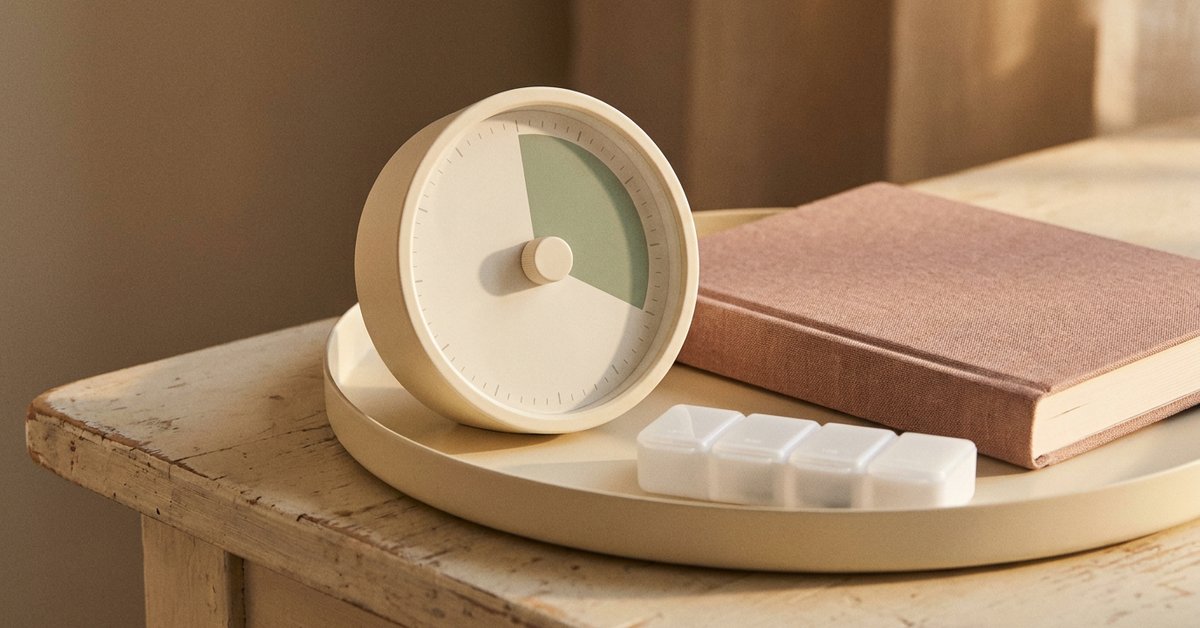
Build the toolkit in 5 steps: name 1 problem, pick 1 tool, put it where the problem happens, test it for 2 weeks, then decide. A first kit can cost under $50, with a $24.95 visual timer, a pill organizer under $13, and hooks under $10. Buy tool 2 only after tool 1 works.

Save this for later
You will want this again. Pin it to your planning board so it is one tap away when you need it.
Pin it for laterWhat Is an ADHD Toolkit, and Why Build One?
An ADHD toolkit is a small set of outside aids that do work your memory and time sense drop. The National Institute of Mental Health says adults with ADHD may find it challenging to stay organized, keep appointments, perform daily tasks, or complete large projects, so writing down assignments, messages, appointments, and reminders is the habit this toolkit supports.
A toolkit makes that advice physical. For example, a timer shows the minutes, a hook holds the keys, and a pill organizer shows whether you took today’s dose. Do you need 20 tools to start? No. You need 1 tool aimed at the right problem, and the rest of this guide shows how to find it.
Free printable, two pages
Dropped your planner again?
Start Again Here is a free two-page restart for the week you fall off. Print it tonight, fill in three lines, and you're back in.
Check your inbox
We just sent you a confirmation email. Click the link inside to finish.
Which Problem Costs You the Most Every Day?
Start with the problem that costs you the most money, time, or peace, and write it as 1 sentence. Late fees, lost keys, missed doses, and chronic lateness are common picks. Pick 1, not 4. A toolkit built for 4 problems at once is the same trap as the open browser tab.
Look at the last 7 days. Which problem happened most often, and which one made you feel worst? Write both, then circle the one you would pay $25 to remove. That is your first problem.
How Do You Match 1 Tool to 1 Problem?
Match each problem to the simplest tool that makes it visible. The table pairs 6 common problems with a starter tool and a current price range. Prices come from retailer listings in 2026 and move with sales, so check the price before you pay.
| Problem | Starter Tool | Price Range | Why It Fits |
|---|---|---|---|
| Time disappears | Time Timer MOD Home Edition | $24.95 | The shrinking disk shows how much time is left. |
| Missed doses | Weekly pill organizer | $5.32 to $12.99 | An empty slot proves you took it. |
| Lost keys | Command hooks, assorted | $3.24 to $13.19 | Keys have a place at eye level. |
| Forgotten plans | Magnetic fridge calendar | $7.13 to $24.97 | The plan sits where you pass every day. |
| Unlabeled clutter | Handheld label maker | $19.99 to $44.99 | Labels tell you what belongs where. |
| Lost small items | Apple AirTag, 4 pack | $99.00 | Costs more, and works best for wallets and keys. |
Where Should Each Tool Live?
Put the tool on the object or in the place where the problem happens, not in an app you have to remember to open. A pill organizer belongs next to the kettle or the toothbrush. Hooks belong at eye level beside the door you use most. A fridge calendar belongs on the fridge, because you pass it 10 times a day.
Where does your problem happen, the front door, the kitchen, or the bedside? Put the tool there today. If you cannot place it in 5 minutes, you do not have a spot for it yet, so wait to buy.

How Much Should You Spend on a First Toolkit?
Spend under $50 on your first kit, and pay for the tool that stops the costliest repeat problem. One commenter on r/adhdwomen calls this paying the ADHD tax up front. She buys the thing that removes a recurring friction before it costs her more in late fees, replacements, and stress. Spending a little to stop a problem from repeating beats the slow drip of forgetting.
The math supports it. A Time Timer at $24.95, a pill organizer at $12.99 or less, and a hook pack at $9.28 or less total $47.22 at the top of each range. Is that cheaper than 1 late fee and 1 replacement key? For many people it is. Skip anything you cannot place in a spot today.

How Long Should You Test a Tool?
Test a tool for 2 weeks, because a new tool needs a setup period before it works. A CBT program for adult ADHD tested on 31 adults spent 4 of about 10 sessions on psychoeducation and organization. Clients built the habit of updating 1 calendar and 1 task list, while a therapist troubleshot the drop off.
Most consumer planners skip that install phase and give a single instruction page. You can copy the idea at home. Use the tool every day for 14 days, and write down each day you skip. Did you skip 3 days or more? Move the tool, not the blame.
What If You Keep Abandoning Every Tool?
If you keep abandoning tools, the tool is probably in the wrong place or asks for too many steps. Count the steps it takes to use it. A tool that needs 3 steps loses to a tool that needs 1. Replace the tool with a simpler version, and keep the problem the same.
Which tool did you drop first, and why? Write the reason on a sticky note, and use it to choose the next 1. For a wider tool list, read 20 daily ADHD tools for late diagnosed women.

When Should You Add Tool Number 2?
Add tool 2 after tool 1 has worked for 14 days in a row, and not before. Use the same 5 steps: name the problem, match a tool, place it, test it for 2 weeks, and decide. Cap your kit at 3 tools in the first month. Your goal is a small set you use, not a big set you own.
Keep a list called Next Problem on your phone. When another problem shows up, add it there and wait. Does waiting feel hard? It is cheaper than a drawer of unused tools, and you will know which problem is next.
What Does a Starter Toolkit Under $50 Look Like?
A starter toolkit under $50 has 3 pieces: 1 for time, 1 for memory, and 1 for the place you leave the house. The table above gives the pieces. A Time Timer MOD at $24.95 covers time, a weekly pill organizer at $5.32 to $12.99 covers memory, and hooks at $3.24 to $9.28 cover the front door.
Do you already own any of these? Use what you have first. A kitchen timer, an old pill box, or a nail by the door is a toolkit too.
When Is a Toolkit Not Enough?
A toolkit is not enough when problems keep growing, when they hurt your work or relationships, or when your mood drops. Tools support habits and do not treat ADHD. Talk to a qualified healthcare provider about evaluation, therapy, or medication, and bring your notes on which tools helped and which stalled.
Which Step Should You Do Today?
Do step 1 today: write your costliest problem in 1 sentence, and set a 20 minute timer to start. One woman did exactly that. For over a year she had been shoving things into 1 room to deal with later. She set a timer and told herself to find a home for just 1 thing, and she cleared half the room before it went off. You’re not behind. You’re just differently wired.
Found this helpful? Pin this guide so you can come back to it anytime.
Frequently Asked Questions
What is an ADHD toolkit?
An ADHD toolkit is a small set of outside aids, such as a visual timer, a pill organizer, and hooks, that do the remembering and time keeping your brain drops. It supports daily habits and does not treat ADHD. Start with 1 tool aimed at 1 problem.
How do I build an ADHD toolkit step by step?
Follow 5 steps: name your costliest daily problem, match 1 tool to it, place the tool where the problem happens, test it for 14 days, then decide. Add tool 2 only after tool 1 works. Cap the first month at 3 tools, and keep a Next Problem list.
How much does a starter ADHD toolkit cost?
A starter kit can cost under $50. A Time Timer MOD Home Edition costs $24.95, a weekly pill organizer costs $5.32 to $12.99, and Command hooks cost $3.24 to $9.28. Use what you already own first, and confirm current prices before you buy.
Why do I keep abandoning ADHD tools?
The tool is often in the wrong place or takes too many steps. A tool that needs 3 steps loses to one that needs 1. Move the tool onto the object where the problem happens, and test for 14 days. Replace the tool, not your effort.
When should I talk to a professional about ADHD tools?
Talk to a qualified healthcare provider if problems keep growing, if they hurt your work or relationships, or if your mood drops. Tools support habits and do not diagnose or treat ADHD. Bring notes on which tools helped, which stalled, and how many days you used each.