The best soft self care products for ADHD brains remove friction from the transition into care, and 11 are compared below from $4 to about $69. One woman realized that almost none of her hard things are the thing itself, they are the move into or out of it. She does not hate showering, she hates starting it and then hates stopping it.
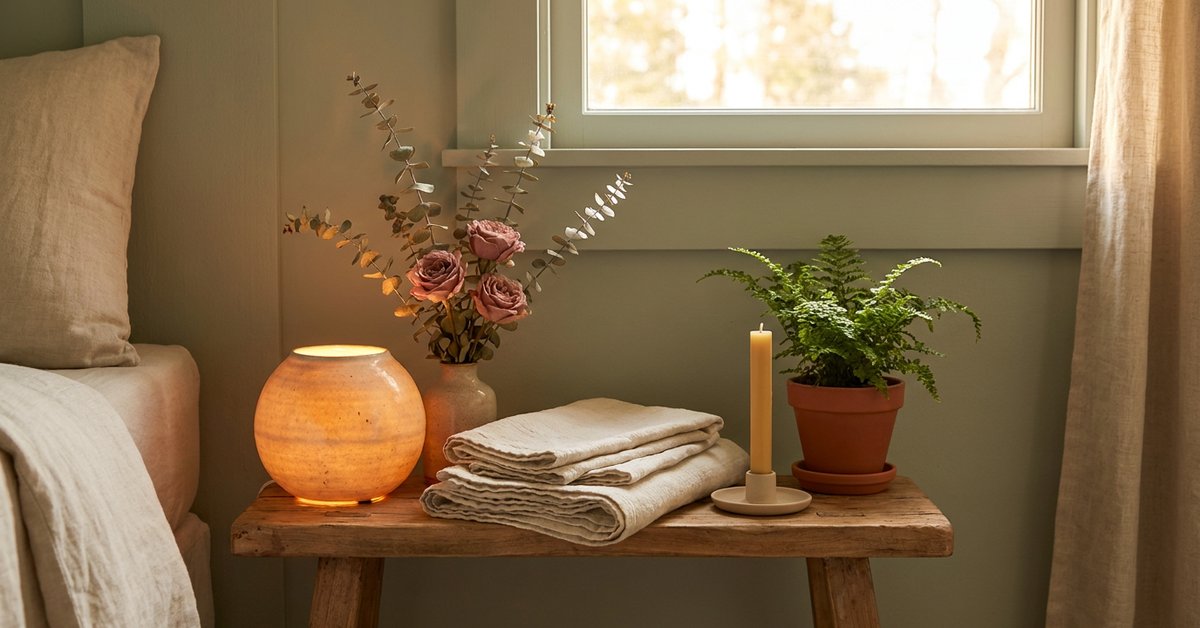
Buy for the step you avoid most. A $12 smart bulb softens a shower, a $10 pair of wristbands stops drips, and a $14 smart plug warms the bed before you get in. Add one product at a time, and skip any that needs more setup than the task it helps.

Save this for later
You will want this again. Pin it to your planning board so it is one tap away when you need it.
Pin it for laterWhy Do Soft Self Care Products Help an ADHD Brain?
Soft self care products help because they lower the sensory cost of starting. The same woman says naming the problem as a transition, not a character flaw, changed how gently she treats herself in the stuck moments between things. A product that makes the first 30 seconds easier does the same job from the outside.
Sensory needs vary, so no single style fits every brain. A pilot study in Brain Imaging and Behavior compared 25 adults with ADHD and 29 controls and found higher sensory craving and under responsivity in the ADHD group. Over responsivity was only marginally higher and became non significant once anxiety was counted. So you may crave warmth and pressure one hour and want less light the next. For how ADHD shows up in adults, the National Institute of Mental Health guide to ADHD is a clear start, and for the routine around these products, read a soft self care routine for ADHD.
Which Soft Self Care Products Are Best for ADHD in 2026?
Eleven products cover light, water, warmth, sound, and scent, from a $4 tea to a $69 heated pad. The table sorts them by the job each one does, using current United States prices that shift with sales.
| Product | Best For | Price Range | My Take |
|---|---|---|---|
| Kasa KL125 smart bulb | Soft, dimmable light | $11.99, or $19.99 for 2 | 800 lumens, dims from 1 to 100%, and runs on warm to cool whites. |
| Himalayan salt lamp, 7 lb | A warm glow on a shelf | About $35 | A dimmer cord comes with the lamp, and the light is low. |
| Spa wristbands | Drip free face washing | $6.53 to $29 | Microfiber sets cost about $7 to $11, and cotton terry costs more. |
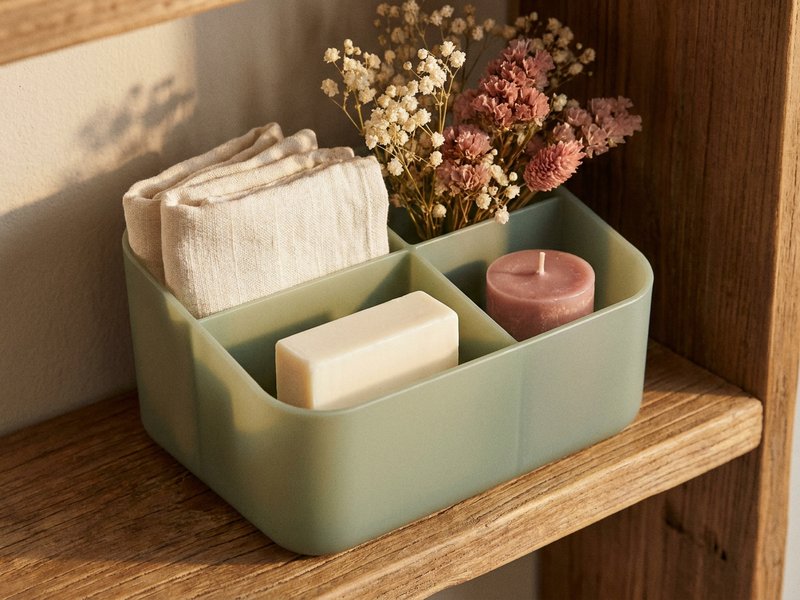
| Portable divided caddy with a handle | A getting ready kit | From about $20 | Everything lives in 1 bin you carry to the bathroom. |
| Color Club Mood thermal polish | A visible cue for body temperature | About $4 to $9 | The color shifts with heat, so your nails become a signal. |
| Kasa Smart Plug Mini, 2 pack | Timing a heated blanket | About $14 | Switch the bed warmer on from your phone 20 minutes early. |
| Sunbeam heated mattress pad, queen | Getting into warmth | About $50 to $69 | Dual controls and 10 to 12 heat settings, depending on the model. |
| Microwavable neck wrap (Huggaroo or Bed Buddy) | Heat on the couch | $12 to $36 | Huggaroo is 17 by 12 inches and 3 lb, and Bed Buddy costs less. |
| Loop Quiet 2 earplugs | Turning the world down | $24.95 | The quietest Loop pair, at 24 dB. |
| Yogi Bedtime tea, 16 bags | A warm, caffeine free cup | About $4.46 | The cheapest ritual on the list. |
| ARVIDSSON 500 ml diffuser | Scent for a whole evening | $56.88 | A bigger tank, 10 to 15 hours of mist, and auto shut off. |
Can a Smart Bulb Make Self Care Feel Doable?
A smart bulb makes self care feel doable when the harsh light was part of the problem. One woman swapped her harsh bathroom bulb for a smart light, because the old one was so overstimulating, especially in the shower. Now she dims it low and sets it to a soft warm color, and the whole room feels calm instead of clinical. Her showers and her evening self care feel doable instead of like a sensory assault.
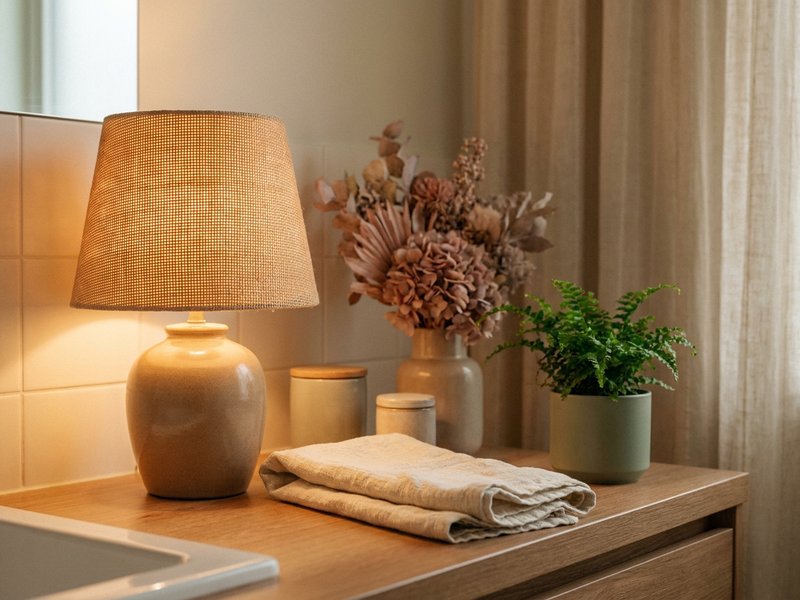
The Kasa KL125 costs $11.99, or $19.99 for 2, and dims from 1 to 100%. A Himalayan salt lamp at about $35 is the no app option, with a low glow and a dimmer cord. Which should you pick? Choose the bulb if the bathroom is the hard room, and the lamp if the evening is.
Which Products Make Washing and Getting Ready Easier?
Spa wristbands and a divided caddy make washing and getting ready easier by removing small annoyances. Microfiber wristbands cost about $7 to $11 and keep water from running down your arms, and cotton terry versions cost up to $29. A portable divided caddy with a handle starts at about $20 and holds everything for the routine in 1 place.
The wristband story comes from r/AuDHDWomen. One woman bought towelling wrist bands to stop the water running down her arms, and face washing no longer takes forever because she is not wiping drips constantly or avoiding it. The pressure feels so good that she wears them at other times too. Why start with annoyances? Small annoyances are the ones that end a routine before it begins. Is that a small thing? It is the kind of small thing that gets a face washed.
How Can a Nail Polish Tell You How Your Body Feels?
A thermal nail polish tells you how your body feels by turning temperature into color. One woman is terrible at noticing internal cues: she never knows she is too hot until she is sweating, and never knows she is cold until someone hands her a blanket. She uses thermal, colour changing nail polish, and when her nails shift colour she checks in with her body. It has become an external cue for internal states she cannot feel on her own, and she says it works for her and might not for you.
Color Club Mood polish costs about $4 to $9 and changes with heat. Why does a visible cue help? Having something visible do the noticing changed a lot of cranky days for her, which is a cheap test of the idea.
Is a Heated Mattress Pad or Neck Wrap Worth It?
A heated mattress pad or neck wrap is worth it when cold is what keeps you from starting a wind down. A Sunbeam queen heated pad costs about $50 to $69, with dual controls and 10 to 12 heat settings depending on the model. A Huggaroo microwavable neck wrap costs $30.59 to $35.99 and gives up to 30 minutes of heat, and Bed Buddy costs $11.85 to $15.29.
A $14 Kasa smart plug two pack lets you switch the pad on from your phone, so the bed is warm before you get in. Use the pad’s own auto shut off, and follow its safety notes.
Do Earplugs and Tea Belong in a Soft Self Care Kit?
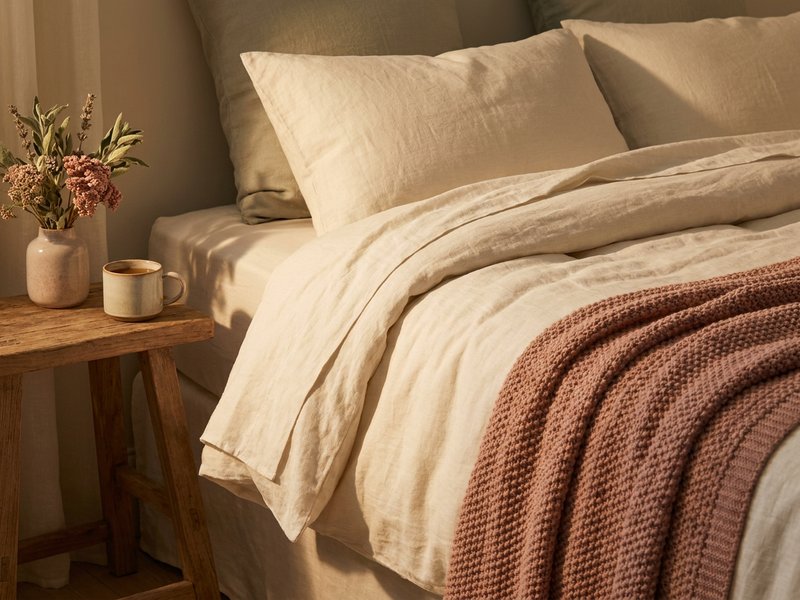
Earplugs and tea belong in the kit because they cost little and turn down 2 different inputs. Loop Quiet 2 earplugs cost $24.95 and reduce noise by 24 dB, which is more than the Loop Experience 2 at $34.95 and 17 dB. Yogi Bedtime tea costs about $4.46 for 16 bags and is caffeine free.
Neither is a treatment. Do cues really matter? They mark the end of the day on a night when the day will not end by itself. Both are cues that say the day is winding down, and cues matter on a night when your brain keeps going. For more ideas that cost under $5, see 5 minute self care for ADHD.
Why Did One Diffuser Disappoint?
One diffuser disappointed because the tank was far smaller than the photos suggested. The woman who bought it says it works and the mist is fine. The tank holds so little water that it runs dry quickly, so she refills it more than she would like. For a bedside table it is okay, and for a whole room or a full evening it falls short.
Check the tank before the scent. A 500 ml model such as the ARVIDSSON at $56.88 runs 10 to 15 hours with auto shut off, while a small one needs refills. If a $57 diffuser sounds like a lot, a cup of tea carries scent for $4.46.
Do You Need Products for Self Care at All?
You do not need products for self care, and some women feel better without them. One r/adhdwomen commenter spent 12 days in a hospital with 0 supplies, with no toiletries, supplements, phone charger, or social media. Her body and mood improved rather than declined. She credited the forced break from social media and decision fatigue, not any product, for feeling calmer than she had at home surrounded by her usual routine.
So what is the point of the list? Products make the first step cheaper, and fewer choices make the day lighter. If a product adds a decision, put it away.
What Is the Smallest Self Care Step You Can Start With?
The smallest step is the one you can do for 90 seconds. A recurring r/adhdwomen theme is negotiating with resistance instead of forcing through it. One commenter calls it a dopamine ladder from ADHD coaching and tells herself “I only have to do this for 90 seconds and then I can stop.” Finishing even a tiny action builds enough momentum from one small win to make the next task easier to start. Why 90 seconds? It is short enough to start and long enough to count.
Use that with a product. Turn on the bulb and stand in the shower for 90 seconds, or put on the wristbands and wash your face once. For a cozier version of the same idea, see cozy self care for low dopamine days.
How Do You Build a Soft Self Care Checklist?
Build a self care checklist with 4 items and 1 product each, and keep every step under 5 minutes.
- Light. Dim the bathroom bulb before you start the shower.
- Wash. Put the wristbands and the caddy where you get ready.
- Warm. Switch on the bed warmer 20 minutes before bed.
- Quiet. Keep earplugs and tea by the bed.
Which Soft Self Care Product Should You Buy First?
Buy the cheapest product for the step you avoid most, and start with the smart bulb or the wristbands. The woman from r/AuDHDWomen switches her heated mattress blanket on 20 minutes before bed through a smart plug, so she gets into warmth instead of shivering. It is a small win worth copying. You’re not behind. You’re just differently wired.
Found this helpful? Pin this guide so you can come back to it anytime.
Frequently Asked Questions
What are the best soft self care products for ADHD?
Start with a Kasa smart bulb at $11.99, spa wristbands at about $7 to $11, and Yogi Bedtime tea at about $4.46. Each lowers the cost of one step. Add heat or sound products later, and buy one at a time.
Why does self care feel so hard with ADHD?
The hard part is often the transition into or out of a task, not the task itself. One woman does not hate showering, she hates starting and stopping it. A product that makes the first 30 seconds easier can lower that cost.
Is a heated mattress pad worth it for ADHD sleep?
It can be, when cold keeps you from winding down. A Sunbeam queen pad costs about $50 to $69, and a $14 smart plug two pack can switch it on 20 minutes before bed. Use the auto shut off and follow the safety notes.
Do I need to buy products to practice self care with ADHD?
No. One commenter spent 12 days in a hospital with 0 supplies and felt calmer, crediting less social media and fewer decisions. Products help only when they make a step cheaper. If one adds a decision, put it away, and keep the routine you already have.
When should I talk to a professional about low energy and self care?
Talk to a qualified healthcare provider if you cannot manage basic care for several weeks, or if low mood or sleep problems persist. Products support routines and do not treat ADHD or depression. Bring a list of which steps you avoid most.