
You build a soft self care routine with ADHD by picking one small habit, tying it to something you already do, and letting it bend on hard days instead of breaking completely. One woman described the feeling behind why this matters: she grew up carrying what she now calls a very loud nervous system with no manual, mistaking constant overwhelm for maturity. A soft self care routine works like the manual she never got. It does not ask for consistency your brain cannot supply on command.
A soft self care routine for ADHD starts with exactly one flexible habit, not a full checklist. Anchor it to something you already do daily, keep the items visible, and let the routine bend on low energy days rather than break. Add a second habit once the first survives a missed day.

Save this for later
You will want this again. Pin it to your planning board so it is one tap away when you need it.
Pin it for laterWhat Is a Soft Self Care Routine for an ADHD Brain?
A soft self care routine for an ADHD brain is a small, flexible set of habits that adjusts to your energy instead of demanding the same performance every day. Rigid routines do not have these 3 traits. It forgives a missed day without resetting to zero, and it changes form when your energy is low. The items also live somewhere visible instead of buried in an app or a drawer.
Why does the word soft matter here, and not gentle or simple? Soft describes a routine that bends under pressure without snapping. A rigid 10 step morning routine snaps the first time you oversleep. The soft version absorbs that morning and continues the next day, unchanged and unpunished.
How Do You Pick the First Habit to Build?
You pick the first habit by choosing the smallest version of the self care task you already skip most, then attaching it to a habit you never forget, like brushing your teeth or making coffee. One habit is the entire starting point. Not a morning routine, not a weekly plan, one single habit performed at the same anchor point every day.
What if you cannot decide which habit to start with? Pick the one that would remove the most daily friction if it simply existed, not the one that sounds most impressive. A woman who spent decades without a manual for her own nervous system put it this way: she was never unintelligent, only unsupported. The right first habit is support, not achievement.
Why Does Making Self Care Visible Matter for ADHD?

Making self care visible matters for ADHD because a closed drawer or a cabinet works the same as losing the item completely. One woman fixed her own hygiene habit this way. She works in dental care, and her own hygiene used to slip badly anyway, so she started keeping toothbrushes everywhere: her bag, the shower, her desk, her locker. The moment a spark of motivation showed up, a brush was already within reach before the spark faded.
Does this mean your whole home needs open shelving? No. It means the specific items tied to your one habit need to sit in your direct line of sight, not filed away for later. Waiting for the one right time and place is where most self care habits quietly die.
What Counts as Self Care When You Have No Energy Left?

Self care with no energy left counts as anything that keeps you functioning, not just anything that feels indulgent. A heavily upvoted r/adhdwomen thread pushed back hard on the bubble bath and face mask image of self care. Doing the dishes, folding laundry, and answering emails all count as self care too, while the marketed version often does not. Commenters in the same discussion redefined the bar down to a single 3 minute task, like washing your face once at night, arguing that bare minimum maintenance beats an aspirational checklist that never gets touched.
What happens on the days even the smallest version feels like too much? You do the 3 minute version and count it as a full success, not a lesser one. A soft self care routine measures whether the habit happened at all, not how much of it happened.
How Do You Make a Self Care Routine Flexible Instead of Rigid?
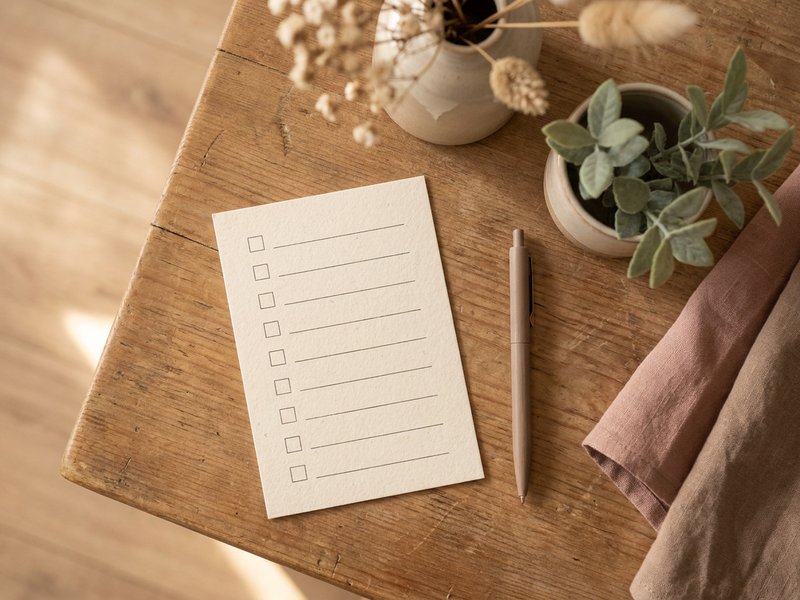
You make a self care routine flexible by giving each habit 2 or 3 versions instead of 1 fixed version, so a low energy day still has an option that fits. A skincare habit might mean a full routine on a good day and a single splash of water and moisturizer on a hard one. Both versions count as the habit happening.
Why does building in versions work better than pushing through the full routine every time? A rigid routine treats every day as identical, but ADHD energy is not identical day to day. Planning for the low version in advance means you are not making that decision from inside a hard day, when decisions are already the most expensive thing you have.
What Should You Do When You Skip a Day?
When you skip a day, you return to the habit the next day exactly as planned, without a makeup version and without starting the count over. A public health review of habit formation research notes that in the original study tracking real daily habits, missing a single occasional opportunity to perform the behavior did not seriously impair the habit formation process. Automaticity gains resumed again soon after.
Does one missed day really not matter? Not for the habit itself, no. What derails a routine is not the missed day, it is treating that missed day as proof the whole plan failed and quitting afterward. The habit survives skipped days. Your judgment about those skipped days is what needs to soften.
How Long Does It Take for a Soft Self Care Routine to Stick?
A soft self care routine typically takes a median of 66 days to become automatic, though the same research found a range from 18 to 254 days depending on the habit and the person. Simple actions, like drinking a glass of water, reach automaticity faster than more elaborate routines. Starting with the smallest version of a habit is not a shortcut. It is the version that actually reaches automaticity in a reasonable timeframe.
Why do so many routines get abandoned before the 66 day median even arrives? Most people expect a habit to feel automatic within 2 or 3 weeks, then read the lack of automaticity at week 3 as failure. The CDC’s overview of ADHD treatment notes that behavior based approaches are most effective when they are consistent over time, which lines up with a timeline closer to 2 months than 2 weeks.
How Does This Connect to a Full Self Care Toolkit?
One flexible habit is the starting point, not the ceiling. This guide to tiny 5 minute self care acts for ADHD women covers a wider set of options once your first habit has survived a missed day or two. Add a second habit once you are ready.
What Does Progress With a Soft Self Care Routine Actually Look Like?
One woman’s small win took 4 and a half decades to arrive. She was not diagnosed until 40, so she carried a lot of you just need to try harder baggage into adulthood. In her fifties, she walked into the dentist actually excited, because she had brushed and flossed every single day for 41 weeks straight. Basic hygiene is not basic when your brain fights you on it, and calling that a real win is not exaggerating. Progress with a soft self care routine rarely looks dramatic. It looks like one small habit still standing weeks after you started it. You’re not behind. You’re just differently wired.
Save this before your next self care routine tries to be a whole checklist again.
Found this helpful? Pin this guide so you can come back to it anytime.
Frequently Asked Questions
What is a soft self care routine for ADHD?
A soft self care routine is a small, flexible set of habits that bends instead of breaking on low energy days. It usually starts with one habit anchored to something you already do, kept visible, with a smaller backup version for hard days.
How do I start a self care routine with ADHD without giving up in a week?
Start with exactly one habit instead of a full routine, attach it to something you already do daily, and keep the items for it visible rather than stored away. Add a second habit only once the first one survives a missed day without falling apart.
Does self care still count if it is not relaxing, like doing dishes?
Yes. Many ADHD adults find that basic maintenance tasks like dishes, laundry, or a 3 minute face wash count as real self care, sometimes more than the marketed bubble bath version, because they actually get done and keep daily life functioning.
How long does it take for a self care habit to stick with ADHD?
Research on habit formation found a median of 66 days for a new habit to feel automatic, with a range from 18 to 254 days depending on the habit. A missed day along the way does not seriously disrupt that process, so expecting weeks rather than days matters.
What should I do if I skip my self care routine for a few days?
Return to the habit exactly as planned the next available day, without a makeup version and without restarting any streak count. Treating a skipped day as proof the whole routine failed is what actually ends most routines, not the skipped day itself.