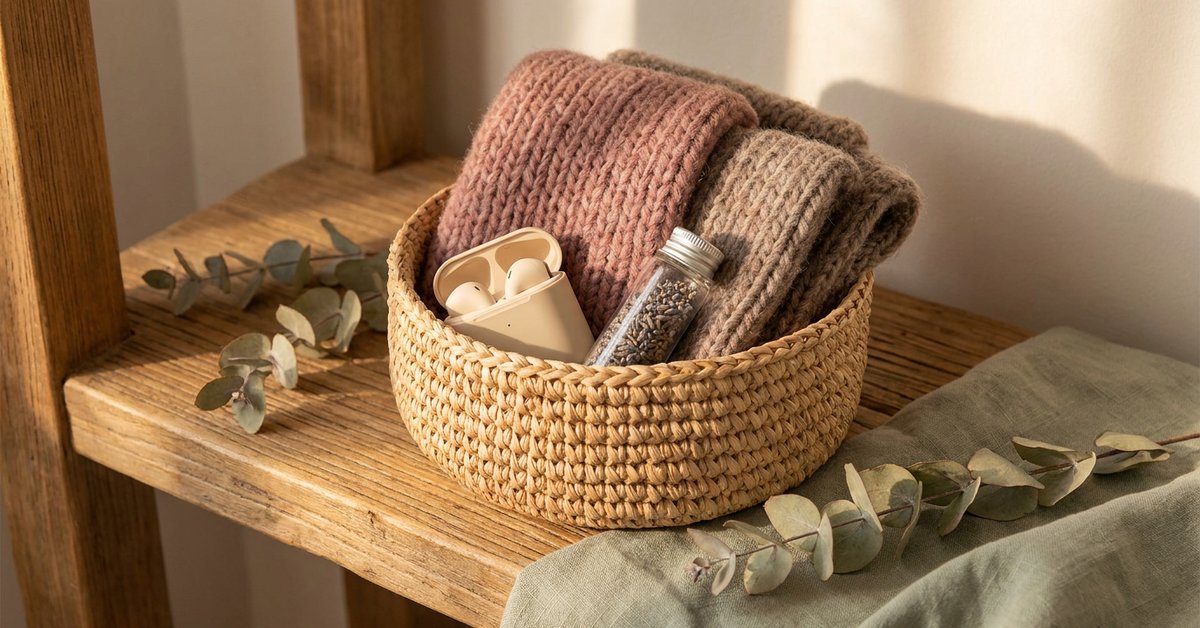
Building a sensory toolkit at home means gathering a small set of tools across sound, touch, sight, and smell, so an overstimulated ADHD nervous system has somewhere to turn before it spirals. The toolkit needs 4 categories to work: something for sound, something for touch, something for sight, and something for smell. Needing a lot of alone time, even with someone you love, is not pulling away. It is recharging, and constant noise, whether it is texting or a loud room, starts to feel like static long before it feels like a real problem. A sensory toolkit gives that overstimulation somewhere to go before it takes over the whole day.
Building a sensory toolkit at home starts with 1 nervous system regulation technique per sense: soft earplugs or noise canceling headphones for sound, a weighted lap pad or textured fabric for touch, a dimmable lamp for sight, and a grounding scent for smell. Start with 1 category, the sense that overwhelms you first, before buying anything for the other 3.

Save this for later
You will want this again. Pin it to your planning board so it is one tap away when you need it.
Pin it for laterWhat Does a Sensory Toolkit Actually Need to Cover?
A sensory toolkit needs to cover 4 categories: sound, touch, sight, and smell. Overstimulation rarely arrives through just 1 sense, so a toolkit built around only headphones or only a soft blanket leaves 3 other doors wide open. The National Institute of Mental Health lists difficulty paying attention and often getting distracted among the everyday problems adults with ADHD describe, and many women find that sensory input other people filter out automatically can land as a direct hit instead. Each category needs exactly 1 or 2 reliable tools, not a full drawer of options, since too many choices in the middle of overwhelm becomes its own decision the brain does not have room for.
Does every category need an expensive tool? No. A folded scarf and a $10 pair of foam earplugs cover 2 categories on their own, and the sight and smell categories are often the cheapest of all 4.
How Do You Build the Sound Category of Your Sensory Toolkit?
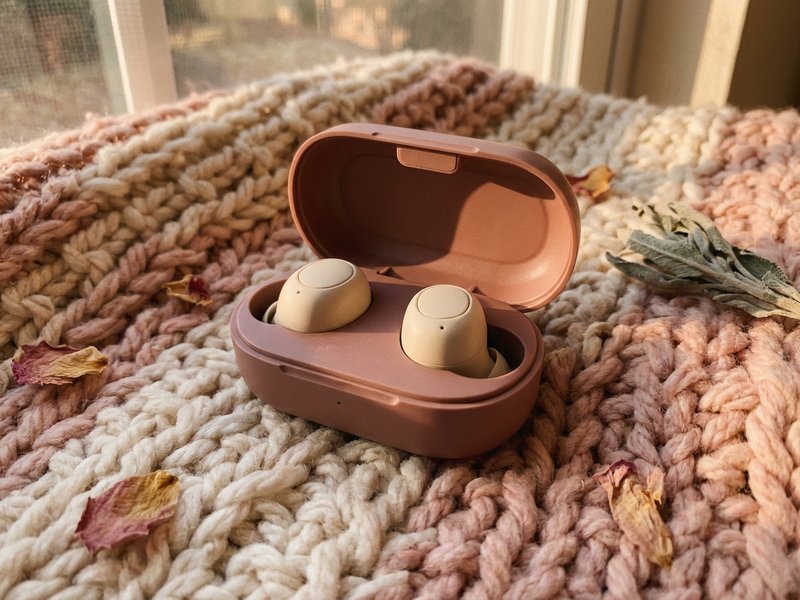
The sound category works best with soft earplugs, noise canceling headphones, or earbuds playing nothing at all. Light ear occlusion attenuates ambient sound without a full sensory cutoff, which softens the sharpest peaks of a loud room instead of removing sound entirely. Many women with ADHD describe being easily overwhelmed by their surroundings, which is exactly the pattern a tool that blocks sound is built to interrupt. One woman described putting in wireless earbuds and playing nothing at all: the soft seal over her ears turns the world down a notch, like a volume knob for the whole room, and on louder days she adds quiet white noise over her own tinnitus. This works for her. It might not for everyone, but the silence is worth trying before reaching for a playlist.
Why try silence instead of music first? Music itself can overstimulate an already loud nervous system, so removing sound completely, even for a few minutes, tells you more about what you actually need than adding a new layer of sound on top.
How Do You Build the Touch Category of Your Sensory Toolkit?
The touch category works best with a weighted lap pad, a textured scarf, or a squeeze ball kept somewhere easy to reach. A weighted lap pad delivers the same deep pressure a full weighted blanket gives, in a size that fits a desk chair or a commute. A textured scarf works the opposite way, through light, repeated touch instead of weight, which matters since not every body responds to pressure the same way.
What if pressure feels like too much on a given day? Swap to the lighter texture option instead. The 2 tools are not competing, they are covering 2 different touch needs that can shift day to day.
How Do You Build the Sight and Smell Categories?

The sight category works best with a dimmable lamp or a soft warm bulb swapped in for a harsh overhead light. A bright bathroom bulb can be overstimulating enough on its own to make an already loud day worse, and dimming the light to a soft warm color can make the whole room feel calmer within seconds. The smell category works best with 1 specific, familiar scent, a hand cream or a small vial kept in a bag, since smell reaches the brain faster than sight or sound and can cut through sensory chaos in under a minute.
Do sight and smell matter as much as sound and touch? Yes, though they are easy to skip since they are quieter problems. A room that is too bright or an unfamiliar smell can undo the calm the other 2 categories just built.
How Does This Connect to Finding Sensory Soothing Ideas When Everything Feels Too Loud?
A sensory toolkit is the supply list. Does it tell you exactly what to do in the actual moment everything feels too loud? Not fully. This guide to 10 sensory soothing ideas for when everything feels too loud covers the step by step options once your toolkit is already built and sitting nearby.
What Does Progress With a Sensory Toolkit Actually Look Like?
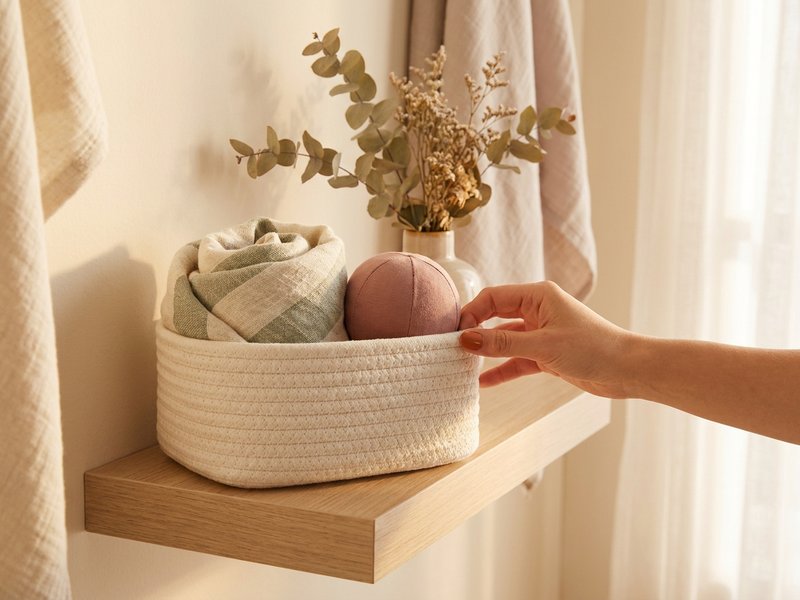
One woman’s small win was finishing an entire lip balm without losing it or putting it through the wash first. After more than 30 years, that was a real first for her. It sounds tiny, but finishing anything all the way to the end is the exact thing her brain usually cannot manage. Progress with a sensory toolkit looks the same way. It rarely looks like a fully overstimulation proof life. 1 tool actually used at the right moment is exactly what it looks like. You’re not behind. You’re just differently wired.
Save this before your next loud room catches you without anything in reach.
Found this helpful? Pin this guide so you can come back to it anytime.
Frequently Asked Questions
What should be in an ADHD sensory toolkit?
A sensory toolkit needs 1 or 2 tools per sense: soft earplugs or headphones for sound, a weighted lap pad or textured fabric for touch, a dimmable lamp for sight, and a familiar scent for smell. Covering all 4 categories matters more than having many options in just 1.
Why do earbuds with no music playing help with overstimulation?
Light ear occlusion softens ambient sound without a full sensory cutoff, turning down the sharpest peaks of a loud room. Music itself can add another layer of overstimulation, so silence is often worth trying first.
What is the difference between a weighted lap pad and a textured scarf?
A weighted lap pad works through deep pressure, while a textured scarf works through light, repeated touch. Not every body responds to pressure the same way, so having both covers 2 different touch needs that can shift day to day.
Why does lighting matter for sensory regulation?
A harsh overhead or bathroom bulb can be overstimulating enough on its own to make an already loud day worse. Dimming to a soft warm light can make a room feel calmer within seconds, without changing anything else.
Do I need to build all 4 sensory toolkit categories at once?
No. Start with the 1 category tied to the sense that overwhelms you first, then add the other 3 over time. A full toolkit built at once often goes unused, while 1 tool actually tested tends to stick.