Disclaimer: I’m not a doctor or therapist. This is based on my personal ADHD experience and is for informational purposes only. Please consult a qualified healthcare provider before making health decisions.

Starting yoga with ADHD works best when you match the practice to your actual nervous system instead of the version everyone recommends. Most beginners quit in the first two weeks because they pick a slow, quiet class and assume the restlessness means they are doing it wrong. One woman described a familiar version of that restlessness: she was putting on her shoes, then there was a loose thread, then a stain, then dishes, then she checked the time and panicked. That same pull toward anything except the one thing in front of you is exactly what makes rolling out a mat feel harder than it should.
Starting a yoga practice with ADHD works when you pick a style that matches your nervous system’s actual state, start with sessions shorter than you think you need, and judge the practice by two or three weeks of trying rather than one uncomfortable class. Gentle and slow is not the only valid entry point, and gear matters far less than showing up small and often.

Save this for later
You will want this again. Pin it to your planning board so it is one tap away when you need it.
Pin it for laterWhat Makes Starting Yoga Especially Hard With an ADHD Brain?
Starting yoga is hard because it asks for two things an ADHD brain struggles with at once: task initiation and stillness. Rolling out a mat carries no built in urgency, and a brain that runs on interest and deadlines has little pull toward a task with neither. The CDC’s overview of ADHD symptoms names difficulty starting tasks that carry no built in urgency as one of the specific ways inattention shows up, alongside trouble organizing and following through.
Does the distraction get better once you are actually on the mat? Not always, and that surprises a lot of beginners. One woman on r/TwoXADHD described a chain that will sound familiar: shoes, then a loose thread, then a stain, then dishes, then a panicked check of the time. That same chain shows up on the mat as fidgeting with your clothes, wondering about your phone, and mentally drafting an email in the middle of a pose. The distractibility does not pause because you changed rooms.
Why Might Yoga Actually Help an ADHD Nervous System?

Yoga can help by pairing movement with breath in a way that gives a busy brain one clear thing to track instead of ten scattered ones. The CDC’s overview of ADHD treatment lists behavior focused and lifestyle strategies alongside medication and therapy, and structured movement practices fall inside that lifestyle category as a tool for managing restlessness, not a replacement for medical care.
Why does pairing breath with movement matter more than movement alone? Counting a breath through a held pose gives working memory a small, repeating job. That job crowds out some of the mental noise that usually fills the gap between one thought and the next, which is part of why a single pose can feel calmer than the same amount of time spent simply sitting still.
Is There One Type of Yoga That Works Best for ADHD?
No single style works best, because ADHD nervous systems do not all respond to the same input. Emotional regulation groups often assume the same grounding scripts work for everyone. One woman on r/AutismInWomen described joining a group built around exactly that assumption, only to find the first sessions leaned on imagining leaves floating on a stream and a counting technique she already found invalidating, saying the first three sessions felt like a waste of time. Being told to try it again, or that she was not doing it right, made the frustration worse instead of better. The mismatch was not a lack of effort. The standard script simply did not fit her nervous system.
What does that mean for picking a yoga style? A slow, quiet class is the default recommendation, but a wired, understimulated nervous system can find a faster flow style easier to stay present in than a slow one. A racing, overstimulated nervous system usually does better starting with the slow, quiet version. Neither is more correct. The right one is whichever your body can actually settle into.
What Should Your First Yoga Session Actually Look Like?
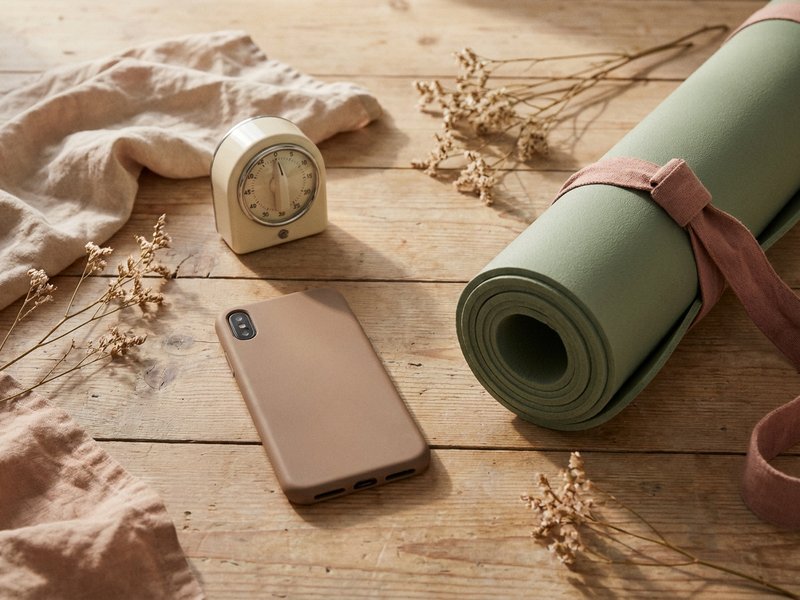
Your first session should be short, private, and built around five simple steps rather than a full class.
- Set a timer for 10 minutes, not 60. A full length class before your body has built the habit is the fastest way to quit after one try.
- Pick a room with the door closed. Privacy removes the performance pressure that makes staying present harder.
- Choose one style based on how wired or flat you feel that day, not on what is popular.
- Follow a video instead of freestyling. Deciding what pose comes next is its own executive function task, and skipping that decision leaves more attention for the breath.
- Stop the moment the timer ends, even in the middle of a flow. Ending on time protects the next session more than finishing the video does.
How Long Should You Practice Before Deciding If It’s Working?
Give it two to three weeks of short sessions before judging whether yoga is working for you. A single ten minute session rarely produces a noticeable shift, and one uncomfortable class is not evidence the whole practice failed.
Should the ten minutes ever feel easy right away? Rarely, and that is normal rather than a sign you picked the wrong style. The skill being built is staying with one breath at a time, and that skill takes repetition the same way any other one does.
What If Traditional Exercise Never Worked for You Before?
A history of quitting other exercise does not predict how yoga will go, because different movement types ask different things of your nervous system. Swimming changed something one woman could not fix any other way. Not the gym, not running, swimming specifically. The rhythm of it, the water blocking out every other input, the way her arms and legs had to work together made her brain go quiet in a way it almost never did elsewhere. It works for her. It might not for everyone, but if you have tried everything else, matching the movement to what your senses actually respond to is worth one more try before writing off movement altogether.
Why would yoga succeed where a gym membership failed? A gym asks you to choose your own structure inside a loud, visually busy room. Yoga hands you the structure through the video or instructor, and the room is usually quieter. Less deciding, less sensory competition, more attention left over for the actual practice.
What Gear Do You Actually Need to Start?

You need a mat and nothing else to start. A block or strap can help later with specific poses, but buying a full kit before your first session adds one more decision between you and actually starting.
Does the mat need to be a specific brand or thickness? No. Any mat that stops your hands and feet from sliding is enough for the first month. Upgrade only once you know you are actually practicing.
How Do You Stay Consistent When Motivation Disappears?
Stay consistent by keeping the bar at 10 minutes permanently, not raising it once the first two weeks go well. Motivation is not a reliable fuel for an ADHD brain, so the practice needs to survive on days motivation is completely absent.
What if you miss several days in a row? Restart at 10 minutes, not at whatever length felt ambitious before the gap. Treating a missed week as a reason to rebuild from a harder starting point is exactly what turns one missed session into three months off the mat.
Where Can You Find More ADHD Friendly Movement Ideas?
Specific poses matter once the habit of showing up is already built. This guide to yoga poses for ADHD anxiety and overwhelm covers which poses to reach for on a wired day versus a shut down one, once you are past the first few weeks.
What Counts as Progress in the First Month?
Smaller than a daily practice, and it still counts. One woman’s small win was decluttering her whole home in a week, after years of starting and giving up on every system she tried. The usual advice never worked because she could not picture the finished result, so she stopped trying to picture it and just started with whatever pile was closest. A yoga practice tends to hold up the same way. The win is not an unbroken streak. It is the version of you that gets back on the mat after years of quitting everything else.
Save this for the week you finally decide to try, so the plan is already here when the motivation shows up.
Found this helpful? Pin this guide so you can come back to it anytime.
Frequently Asked Questions
How do I start a yoga practice if I have ADHD and hate sitting still?
Start with a faster flow style instead of a slow, quiet one if stillness feels unbearable. A wired nervous system often settles into movement more easily than into silence, and matching the style to your actual state matters more than following the standard beginner advice.
How long should a beginner ADHD yoga session be?
Ten minutes is enough to start. A full class length session before the habit exists is the most common reason beginners quit after their first try, so keep the bar low even after early sessions go well.
Is yoga actually better than the gym for an ADHD brain?
Neither wins for everyone. A gym asks you to build your own structure in a loud, visually busy room, while yoga hands you the structure through a video or instructor in a quieter space. That difference makes yoga easier for some ADHD brains, though not all.
What is the best beginner yoga routine for an ADHD woman who has quit exercise before?
A ten minute daily session, followed on a video, with the style chosen based on your energy that day rather than what is popular. Past attempts at other exercise types do not predict how yoga will go, since different movement types ask different things of your nervous system.
Should I check with a doctor before starting yoga with ADHD?
Yes, especially if you take ADHD medication, manage another health condition, or have not exercised in a long time. This guide reflects personal experience, not medical guidance, so a healthcare provider should confirm what movement is safe for your own body first.