
Disclaimer: I’m not a doctor or therapist. This is based on my personal ADHD experience and is for informational purposes only. Please consult a qualified healthcare provider before making health decisions.

An ADHD movement routine sticks when it is built around your actual nervous system, not around willpower. Most routines fail within a few weeks because they ask for consistency before the brain has any reason to expect a reward. One woman described switching jobs again and again because of burnout, still unsure how to manage it well even after picking a role she could do from home, her only real socializing some mornings in court while the rest of the day passed alone. A routine built small enough to survive days exactly like that is the only kind worth building.
An ADHD movement routine holds up when it starts absurdly small, matches the type of movement to your own nervous system instead of a generic plan, and treats a low energy day as a variation to plan for rather than a failure. Consistency is a repetition problem, not a motivation problem, so the goal in the first month is showing up in tiny amounts, not showing up hard.

Save this for later
You will want this again. Pin it to your planning board so it is one tap away when you need it.
Pin it for laterWhy Do Movement Routines Almost Never Stick for ADHD Brains?
Movement routines fail most often because they are built on the assumption that willpower grows with practice. It does not. A recurring theme inside r/adhdwomen’s planner threads applies just as much to movement: consistency is a payoff problem, not a willpower problem. One commenter walked through the mechanism directly. Associating a new habit with less anxiety has to repeat enough times before the brain registers a reward, she explained, “but not the first time or even the first 50 times, maybe 500 times.” That framing moves the blame away from motivation. It points instead toward a slower reinforcement loop, one many fitness plans skip when promising results within a few weeks.
Does that mean the first month is supposed to feel pointless? In a sense, yes, and that is normal rather than a sign the routine is not working. The reward signal is still being built during that stretch, even when nothing about the habit feels automatic yet.
How Does Regular Movement Actually Help Regulate an ADHD Nervous System?
Regular movement helps by giving a restless nervous system somewhere physical to send its extra energy instead of letting it build up as tension or racing thoughts. The CDC’s overview of ADHD treatment lists behavior focused and lifestyle strategies alongside medication and therapy, and physical activity sits inside that lifestyle category as a tool for managing restlessness and mood, not a replacement for medical care.
Why does this matter more for adults than it seems to for kids in gym class? Hyperactivity in adult ADHD often shows up as an internal, restless feeling rather than visible fidgeting, and the CDC’s page on ADHD in adults describes this shift directly. Movement gives that internal restlessness a physical outlet instead of leaving it to circle only inside your head.
What Is the Smallest Possible Way to Start a Movement Routine?

The smallest possible start is a movement so tiny it barely counts as exercise. One woman kept a focus trick that works on the same principle: if she needed to move but could not leave the task in front of her, she gave herself one tiny physical action right where she was, standing up, stretching one arm, taking three steps, and coming back. It sounds ridiculous, and it is, but it kept her in the work instead of disappearing somewhere else for twenty minutes. It works for her. It might not for everyone, but the size of the action is the entire point.
Why start smaller than what actually feels like exercise? A three step stretch builds the neural pathway of choosing movement without triggering the dread that a thirty minute workout plan brings up before it even starts. Scale up only after the tiny version has repeated for a couple of weeks.
How Do You Pick the Right Type of Movement for Your Own Brain?

Pick movement by matching it to what your specific nervous system needs on a given day, not by what a workout plan says is optimal. Three categories cover most needs. Rhythmic and repetitive movement, such as walking or swimming, fits a wired, racing brain. Slow and grounding movement, such as stretching or gentle yoga, fits an anxious or overstimulated brain. Short bursts of intense movement, such as a fast set of jumping jacks or a quick stair climb, fit a flat, understimulated brain.
Does one category always outperform the others? No, and treating any single type as the universal fix ignores how differently ADHD nervous systems respond. The right choice on a wired Tuesday can be the wrong choice on a flat Thursday, which is exactly why matching the type to the day matters more than picking one plan and forcing it every time.
What Does a Realistic Weekly Movement Routine Look Like?
A realistic week has six moving parts, and none of them require a gym membership or a set schedule carved in stone.
- Pick one tiny anchor movement you can do daily in under two minutes, like the stretch and three steps trick.
- Add one longer session, 15 to 20 minutes, on two or three days that already have more energy built in.
- Match the type of movement to how your nervous system feels that day, not to what the calendar says you planned.
- Attach the movement to something already happening, like stretching during a show you are already watching.
- Skip the tracking app if it becomes one more thing to feel behind on, and use a simple paper tally instead.
- Expect at least one missed day every week, and treat it as part of the plan instead of a reason to restart from zero.
What Should You Do on a Low Energy or Low Dopamine Day?
On a low dopamine day, shrink the movement instead of skipping it entirely. The tiny anchor movement, standing up and stretching for ten seconds, still counts and keeps the routine’s thread unbroken even when a full session is out of reach.
Is it better to push through and do the full session anyway? Rarely. Forcing a full workout on a day your body cannot support it tends to teach your brain that movement equals punishment, which works against the entire routine long term. A ten second version that actually happens protects the habit better than a skipped day followed by guilt.
How Do You Stay Consistent Without Turning It Into Another Chore?
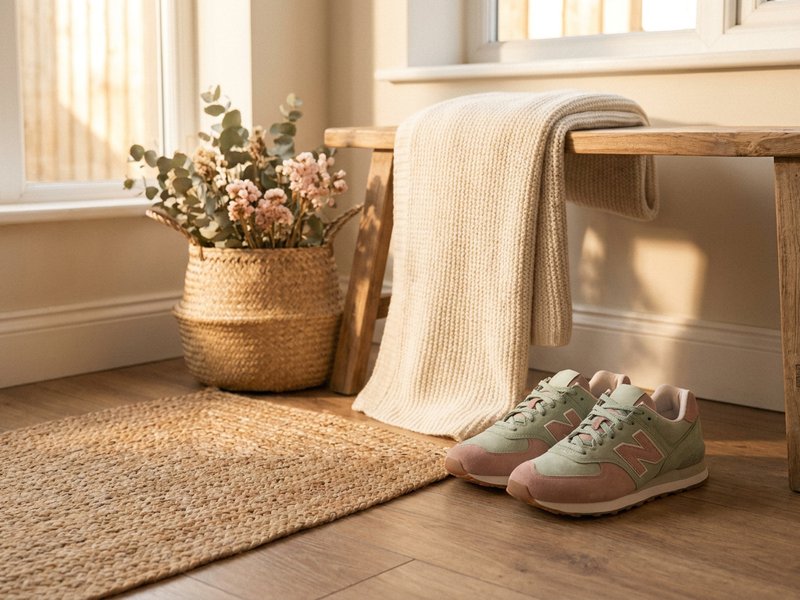
Stay consistent by keeping the bar low enough that skipping it feels harder to justify than doing it. Leaving shoes by the door, or stretching during a show already playing, removes the extra decision that turns movement into a chore in the first place.
What if the routine still starts to feel like an obligation after a few weeks? Change the type of movement rather than pushing through the boredom. A brain that treats novelty as fuel usually needs the routine’s shape to shift every few weeks, even while the underlying tiny anchor stays the same.
What If You Skip a Week or Fall Off Completely?
Falling off completely does not erase the repetitions already banked toward that slower reward loop. Restart with the smallest version, the ten second stretch, rather than trying to jump back in at whatever level you had reached before the break.
Does a missed week mean starting over from nothing? No, though it can feel that way. The brain does not fully reset what it has already learned about the habit, so returning to the tiny version tends to rebuild momentum faster than the first attempt did.
Where Do You Find Movement Ideas That Don’t Feel Like a Gym Membership?
Most gym class memories left more shame than motivation behind, which is exactly why the routine in this guide is built around movement that never requires one. This list of gentle movement ideas for ADHD women who hate the gym covers specific low pressure options to slot into the weekly structure above, from stretching routines to short walks.
What Counts as Progress While You Build This Routine?
Smaller than a finished workout plan, and it still counts. One woman’s small win was changing a trash bag before it became a crisis, one bag, one time, unprompted. For anyone else it would be nothing. For her it meant the thing she had watched get harder for years finally moved on its own. A movement routine built from tiny, repeated actions works the same way. The win is not the thirty minute session. It is the three steps you actually took today.
Save this for the next time exercise advice makes movement sound harder than it needs to be.
Found this helpful? Pin this guide so you can come back to it anytime.
Frequently Asked Questions
What makes an ADHD movement routine different from a regular workout plan?
An ADHD movement routine starts far smaller and matches the type of movement to your nervous system’s state that day, rather than following a fixed plan built for consistent motivation. The goal in the first weeks is repetition, not intensity.
How do I start a movement routine if I have never been able to stick with one?
Start with a movement so small it barely counts, like standing up and stretching for ten seconds. Attach it to something already happening in your day, and expect at least one missed day every week without restarting the whole plan.
Is cardio or gentle movement better for an ADHD nervous system?
Neither wins outright. Rhythmic cardio like walking suits a wired, racing brain, while slow movement like stretching suits an anxious or overstimulated one. Matching the type to how your nervous system feels that day works better than committing to one category permanently.
What is a good ADHD movement routine for women who hate structured exercise?
A routine built around one tiny daily anchor movement plus two or three longer sessions matched to your energy that week, with no fixed schedule carved in stone. Low pressure options like short walks or stretching tend to hold up better than a rigid gym plan.
Should I check with a doctor before starting a new ADHD movement routine?
Yes, especially if you take ADHD medication, have a heart condition, or are returning to movement after a long break. This routine is built from personal experience, not medical guidance, so a healthcare provider should confirm what is safe for your own body first.