Soft girl self care for ADHD works when it asks less of a tired brain, not when it looks prettier on a shelf. One woman on r/adhdwomen described her diagnosis not arriving as relief but as grief: thirty plus years of overachieving in the one lane she had chosen, while the drifting, the tumbling, and the exhaustion everywhere else finally had a name. She was not failing at life. She was running a hidden deficit no one had ever flagged, and self-care had never been built to cover that kind of tired. This guide covers 20 soft, low effort self-care ideas sorted into morning, body and hygiene, rest, and small joy, plus what to do on the days none of it feels possible and how to make one idea actually stick before adding a second.
Soft girl self-care that works for an ADHD brain trades willpower for low friction: fewer steps, fewer decisions, and sensory comfort instead of another routine to maintain. The 20 ideas below fit into a morning, a shower, a wind down, or five spare minutes, and none require a streak to count. Picking one and repeating it beats adding all twenty at once.


Save this for later
You will want this again. Pin it to your planning board so it is one tap away when you need it.
Pin it for laterWhat Makes Self-Care Actually Different for an ADHD Brain?
Self-care that works for an ADHD brain asks less of executive function, not more discipline. The soft girl aesthetic online often shows a ten step routine performed in a spotless bathroom. For a differently wired brain, that is not rest. It is ten more decisions stacked on a system that is already running low.
Why does that gap matter so much? A 2025 UK study interviewed eight women, average age 41, about late ADHD diagnosis and found that self-blame often eased only once a formal label replaced years of guessing. One participant described decades of believing something was fundamentally wrong with her before treatment reframed that belief. She put it plainly: “I’m not broken, not like wrong, just different.” That single sentence captures the emotional core of self-care after diagnosis: less correction, more acceptance of a different wiring.
So what actually counts as self-care here? Anything that lowers the number of steps between wanting to feel better and actually feeling better. The 20 ideas below are sorted by where the friction usually sits: morning, body and hygiene, rest, and small joy.
5 Morning Ideas That Don’t Need Willpower
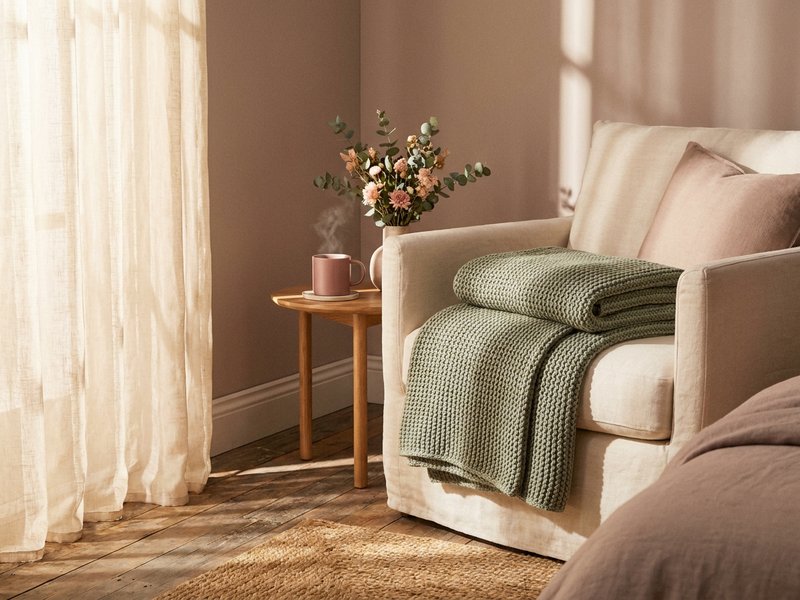
A soft morning routine for ADHD works when it survives a slow day, not just a good one. These 5 ideas take under 10 minutes combined and do not depend on waking up early.
- Drink one glass of water before checking your phone. It is the one habit that fits before your brain has anywhere else to go.
- Open a curtain instead of turning on an overhead light. Natural light signals morning to your body without a harsh switch flip.
- Pick tomorrow’s outfit the night before. One fewer decision waiting for you at the worst possible time.
- Make the same 3 minute breakfast on repeat. Yogurt and fruit, toast and eggs, whatever needs zero recipe thinking.
- Play one song instead of scrolling. Three minutes of music gets your body moving without opening a feed that eats an hour.
None of these require getting up earlier. What they remove is the number of choices standing between waking up and feeling like yourself.
Which Body and Hygiene Ideas Actually Get Done?
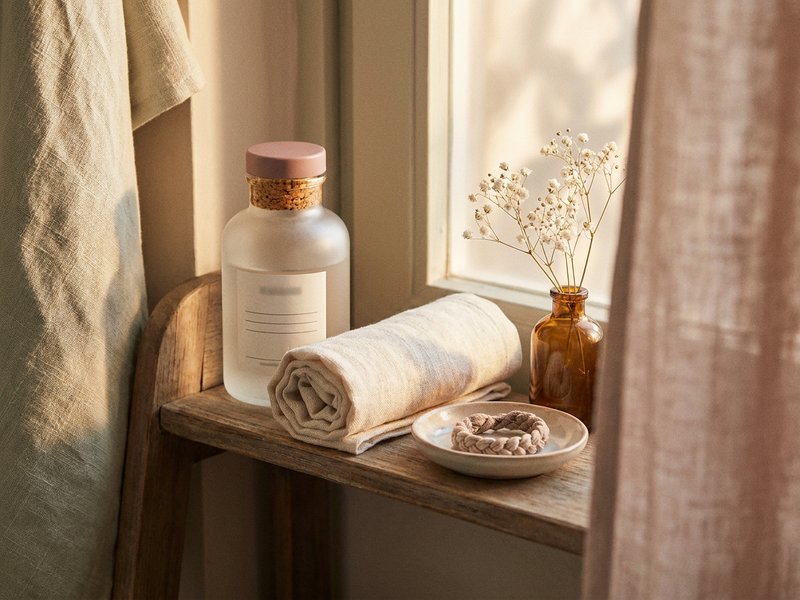
Hygiene ideas that actually get done are the ones you do while you are still moving, not after you have already sat down. Sitting down first is where most routines quietly die.
One woman put this exact pattern into words. Her whole life she went to bed in her makeup with her teeth unbrushed, not because she did not care, but because once she sat down to relax, getting back up to do five tasks felt impossible. The fix that changed everything was getting fully unready the moment she walked in the door, while she was still up and moving: skincare done, hair up, teeth brushed, all of it before she let herself unwind. Bedtime stopped asking anything of her.
- Do hygiene tasks before you sit down, not after. The moment you land on the couch, the task list gets ten times heavier.
- Keep micellar wipes on your nightstand for the nights the sink feels too far. A partial win beats a skipped night.
- Use a 2 in 1 shampoo and conditioner. One bottle, one step, one less decision in the shower.
- Set a phone reminder for teeth, not a habit tracker. A single alert beats a streak you will eventually break and feel bad about.
- Keep a spare toothbrush and deodorant in your bag. Removes the excuse of forgetting on a day you are already out the door.
Micellar water wipes cover the nights a full face wash will not happen, without pretending that is the same as showering. Why does a lower bar matter more than the ideal version? Because a routine you actually finish on a bad night beats a perfect one you only do on good ones.
5 Rest Ideas for an Overstimulated Nervous System
Rest for an overstimulated ADHD brain works better as a sensory reset than as more silence. Silence often leaves room for the brain to keep spinning; a mild sensory input gives it somewhere to land instead.
- Sit under a weighted blanket for 10 minutes. Pressure input calms a nervous system faster than most people expect.
- Put on noise canceling headphones with nothing playing. Sometimes the goal is less input, not different input.
- Hold something cold, like a chilled spoon or an ice pack. A sharp, simple sensation interrupts a spiral fast.
- Lie on the floor for 5 minutes. A change in position alone signals your body to downshift.
- Watch something you have already seen before. No new plot to track means no new demand on attention.
Why do familiar shows work better than new ones on a hard day? A rewatch removes the tracking work your brain would otherwise spend on following an unfamiliar story, which frees that same capacity for actually settling down.
Which Small Joy Ideas Fit Into Five Minutes or Less?
Small joy ideas earn their spot on this list by fitting into five minutes, not by being impressive. A five minute win you actually take beats a two hour plan that never happens.
- Light a candle for no occasion. Save it for a Tuesday, not just a holiday.
- Reread 3 pages of a favorite book. No pressure to finish, just to open it.
- Text one friend a voice memo instead of typing. Connection without the editing pressure of writing the perfect message.
- Put on a weighted lap pad while you scroll. Turns a habit you already have into something calming instead of neutral.
- Rearrange 3 things on a shelf. A tiny, contained version of the satisfaction a full room reset gives, on a day a full reset is not happening.
A weighted lap pad works well here because it adds calm to something you are already doing, rather than asking for a new block of time you do not have.
Why Self-Care Feels Impossible on the Hardest Days
Self-care feels impossible on hard days because executive dysfunction blocks the step between wanting to feel better and actually moving toward it. Knowing what would help and being able to start it are two separate skills, and ADHD affects the second one specifically.
Difficulty starting and organizing tasks sits among the core adult signs listed by the National Institute of Mental Health, and self-care is not exempt from that gap just because it is meant to feel good. Guilt tends to fill the space where the action was supposed to be, which makes the next attempt even harder to start. Protecting the energy self-care needs often starts outside of self-care itself, in smaller commitments and fewer obligations. If overcommitting is part of what is draining you before you even get to the rest of this list, how to set boundaries when you have ADHD and RSD covers where to start.
Does that mean a hard day should be skipped entirely? Not quite, and the next section covers the smallest version that still counts.
What If You Have No Time or Energy at All?
On a day with no time or energy, one 60 second idea from this list still counts as self-care. The bar moves, it does not disappear.
Drink the water. Put on the headphones with nothing playing. Hold the cold spoon. Any single item from the 20 above, done once, is a complete instance of self-care on a day that has nothing left to give. The goal on those days is not the full list. It is not zero.
How Do You Make One of These Ideas Actually Stick?
Pick exactly one idea and repeat it for two weeks before adding a second. Twenty new habits at once is not a soft start. It is a setup for quitting all twenty by Thursday.
A woman on r/adhdwomen shared her small win after years of executive function making basic self-care, even brushing her hair, feel like too much: she buzzed her hair off. She talked it through with her therapist first, and they agreed it might help. The day she buzzed it, she felt lighter than she had in ages, one less daily task for her brain to drop. It was not a dramatic overhaul. It was one decision that removed a whole category of friction at once, which is exactly what a good self-care idea does at any scale.
Start with whichever idea above sounded the easiest, not the most impressive. You’re not behind. You’re just differently wired.
Save this for later? Pin the list so all 20 ideas are one tap away the next time your brain needs the reminder.
Found this helpful? Pin this guide so you can come back to it anytime.
Frequently Asked Questions
What is soft girl self-care for ADHD?
Soft girl self-care for ADHD means low effort, sensory-friendly rituals that ask little of executive function: fewer steps, fewer decisions, and comfort instead of another routine to maintain. It trades willpower and discipline for friction removal.
Why is self-care so hard for ADHD women specifically?
Executive dysfunction blocks the step between wanting to feel better and actually starting the action, even when the person knows exactly what would help. Guilt often fills that gap, which makes the next attempt harder to start.
What is the easiest self-care habit to start with ADHD?
Doing hygiene tasks the moment you walk in the door, before sitting down, is one of the easiest to keep. Once your body sits and relaxes, getting back up for five more tasks feels far harder than staying in motion a few minutes longer.
What counts as self-care on a day with zero energy?
One single idea from a list like this, done once, is a complete instance of self-care on a depleted day. Drinking one glass of water or sitting under a weighted blanket for 10 minutes both count. The bar moves lower, it does not disappear.
How many new self-care habits should I start at once?
Start with exactly one and repeat it for about two weeks before adding a second. Starting all 20 ideas at once usually ends in quitting every one of them within a few days, which does more harm than starting small.