A reading nook for an ADHD brain works best as a single dedicated spot that removes decisions. One woman researched a new hobby so thoroughly before starting that she burned out before she ever began. Her sewing machine sat untouched for 2 years afterward. A reading nook can fall into the same trap. 3 throw pillows, 2 lamp options, and a blanket that never matches anything is enough friction to keep a book closed. The 15 ideas below build a spot your brain can drop into, not one it has to plan around.
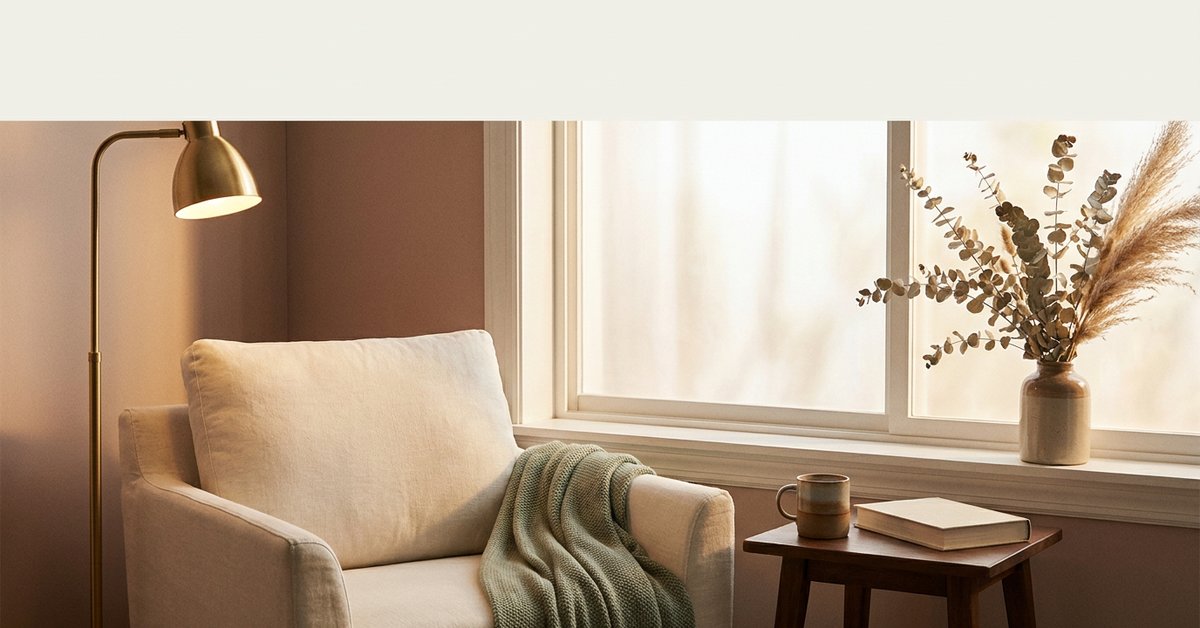
A reading nook supports ADHD hyperfocus by cutting the setup steps to zero: one chair, one light, one blanket, all in reach without a decision. The 15 ideas here cover seating, lighting, sound, storage, and what to add for the crash that follows a hyperfocus session, so the space works before, during, and after you read.

Save this for later
You will want this again. Pin it to your planning board so it is one tap away when you need it.
Pin it for laterWhat Makes a Reading Nook ADHD Friendly?
An ADHD friendly reading nook removes every extra step between deciding to read and actually sitting down with a book. The CDC’s overview of ADHD lists task initiation as one of the executive functions most commonly affected. Choosing a chair, finding a blanket, and hunting for a lamp are all small initiations stacked on top of the bigger one. Why do 3 tiny decisions matter more than the big one? Because a stalled brain often stops at the first small choice, long before it reaches the book itself. A true nook has exactly one version of each item, always in the same place.
Why does a single chair beat a whole reading corner with options? Because every extra choice is a place your brain can stall. 1 chair, 1 light, 1 blanket, 1 shelf within arm’s reach: that is the whole spec.
Idea 1 to 3: Pick a Chair That Ends the Search
Choose 1 chair and commit to it instead of rotating between the sofa, the bed, and a kitchen stool depending on mood. A deep armchair, a papasan chair, or a floor cushion with back support all work as long as there is only 1 default option.
- Idea 1: A single deep armchair angled away from the main walking path, so it reads as a destination, not a spot people cut through.
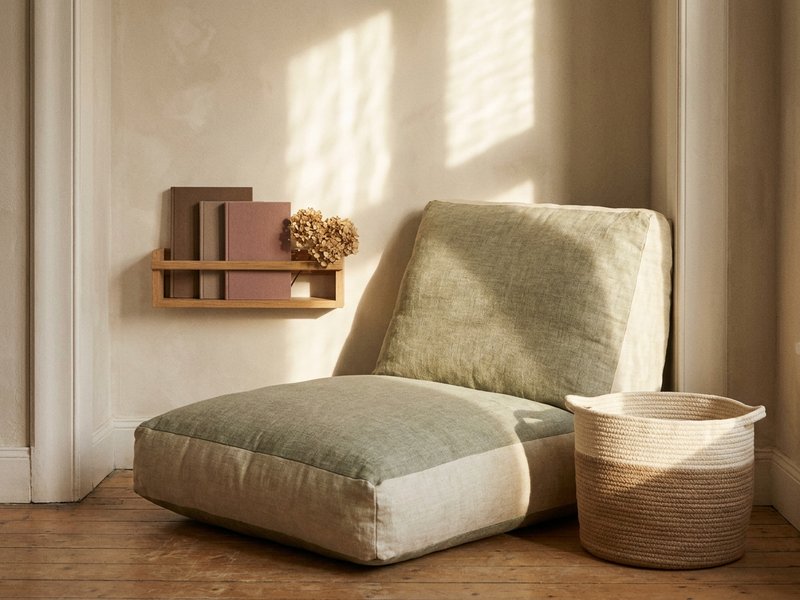
- Idea 2: A floor cushion stack against a wall or window ledge, for anyone who finds a chair back too confining during a long session.
- Idea 3: A window seat cushion built into an existing ledge, which removes the need to add furniture to a small room at all.
Idea 4 to 6: Light the Spot So It Never Needs a Switch Hunt
Losing the ability to sink into a book did not mean something was broken in 1 woman’s brain. It meant her brain needed a gentler way back to reading. Shorter pieces, permission to skip around, no shame about how she got there. The love was never gone. It was waiting for an easier door in, and lighting is part of that door. Why would a lamp matter this much? A dim overhead bulb forces a small decision every single evening. A lamp built into the nook itself removes that decision completely.
Losing the ability to sink into a book did not mean something was broken in me. It meant my brain needed a gentler way back to reading. Shorter pieces, permission to skip around, no shame about how I got there. The love was never gone. It was waiting for an easier door in.
- Idea 4: A clip on reading light mounted directly to the chair or shelf, so the light source travels with the seat instead of depending on the room’s main fixture.
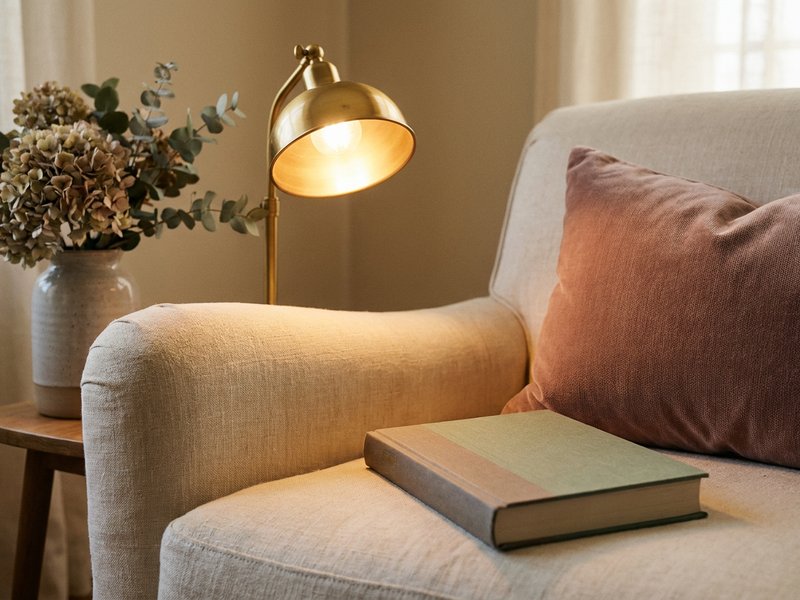
- Idea 5: A warm toned floor lamp set permanently beside the chair at a height that does not need adjusting between sessions.
- Idea 6: A sunrise style lamp for anyone who reads mostly in the evening and wants light that fades on slowly instead of a harsh switch flip.
Why Does Sound Control Matter More Than Decor?
Background noise pulls attention away from a page fast for many ADHD brains. Filtering out irrelevant sound is itself an executive function task, and the National Institute of Mental Health notes that attention regulation is a core difficulty in ADHD, not a matter of trying harder. A pair of soft silicone earplugs kept in a small dish beside the chair does more for actual reading time than any amount of styling. What if the household is loud at exactly the hours you want to read? Then the earplugs matter more than the chair.
Idea 7 to 9: Store Everything Within Arm’s Reach
A reading nook fails the moment the current book lives on a different shelf than the chair. Keep the whole current stack, not the whole library, inside reach of the seat.
- Idea 7: A small side table that fits only what you need for one sitting: current book, glasses, a mug, nothing else.
- Idea 8: A wall mounted shelf at chair height for 3 to 5 books in rotation, so the current stack never migrates back to a bedroom shelf.
- Idea 9: A woven basket beside the chair for whatever you are reading right now plus a notebook, which also hides the stack when you are not using the nook.
How Do You Set Up a Reading Nook for a Small Space?
A reading nook does not need a spare room. A cove under a staircase, a cleared corner of a bedroom, or a single chair angled into a window all count. What matters most in a tiny space? One woman on r/adhdwomen built exactly this kind of spot for herself and her 5 year old under a staircase. The rule she followed was that whatever went in it had to work with no setup: “these are not the moments where you want to have to think or set things up, or deal with Bluetooth pairing.” Her list included an old phone left permanently plugged into a small speaker rather than anything needing pairing. Zero decisions was the actual design spec, not a side effect.
Idea 10 to 12: Add a Soft Layer That Signals Rest
A blanket, a throw, or a weighted lap pad does more than add texture. It gives your body a signal that this spot means slowing down, separate from the rest of the room’s pace.
- Idea 10: A weighted lap blanket kept folded on the chair itself, so it is already there instead of stored in a closet.
- Idea 11: A knit throw in one consistent texture you actually like touching, since a scratchy blanket gets left in the basket.
- Idea 12: A small floor rug under just the chair and side table, which visually separates the nook from the rest of the room without a wall.
What Should You Plan For After a Hyperfocus Reading Session?
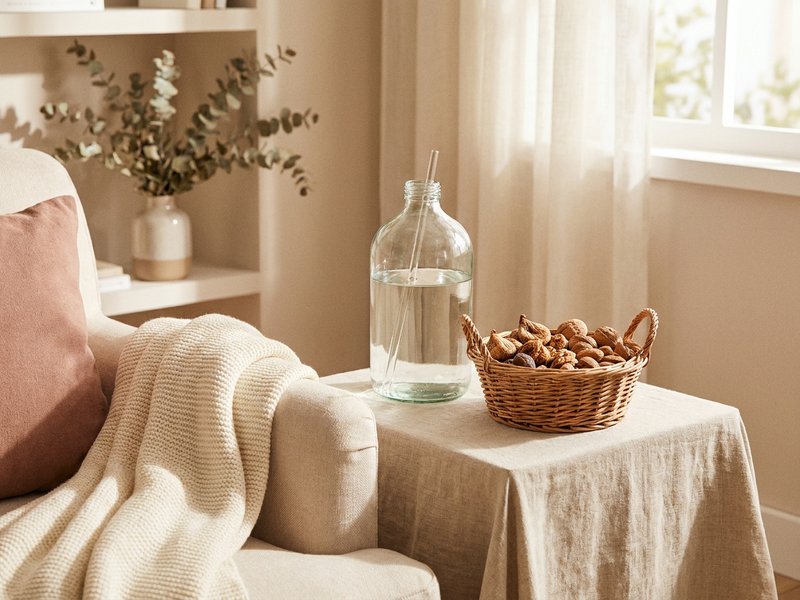
A hyperfocus reading session often ends the same way it started: without warning. Hours pass. A body that sat still that long can come out of it stiff, dehydrated, and oddly disoriented. Why plan for the crash before it happens? Because the same brain that forgot to stop reading will also forget to get water. Keeping a bottle inside the nook itself means the crash after does not require a decision either.
- Idea 13: A large water bottle with a straw stored permanently on the side table, refilled each morning before it is needed.
- Idea 14: A snack basket nearby with something shelf stable, since a multi hour session can blow past a missed meal entirely.
- Idea 15: A visible analog clock within eyeglass range of the chair, since a phone check to see the time is also a phone check that can end the whole session.
Do You Need to Redecorate a Whole Room for This to Work?
No. A reading nook is 1 chair, 1 light, 1 blanket, and a small stash of books, water, and snacks within reach, not a renovation. For a wider look at building a workspace that does the same job for focus tasks, this guide to sensory corner ideas for a calmer home covers the same zero decision approach applied beyond reading.
Save this for the next time you want a spot that pulls you in instead of one more thing to plan.
One woman’s small win came from a 20 minute timer. She had been shoving things into one corner to deal with later for over a year. She set the timer and told herself to find a home for just one thing, and ended up clearing half the space before it went off. One small timer beat a whole year of avoiding it. A reading nook can start exactly this small. You’re not behind. You’re just differently wired.
Found this helpful? Pin this guide so you can come back to it anytime.
Frequently Asked Questions
What makes a reading nook ADHD friendly?
An ADHD friendly reading nook has exactly 1 chair, 1 light, and 1 blanket, always in the same spot, so there is no setup decision between wanting to read and actually sitting down.
How do I make a reading nook in a small bedroom?
Use a single chair angled into a window, a cleared corner, or even a cove under stairs. Keep everything you need for one sitting within arm’s reach, and skip anything that needs setup or pairing.
Is it normal to lose hours reading and then feel awful afterward?
Yes, this is common with ADHD hyperfocus. Keeping water and a shelf stable snack inside the nook itself helps the crash after a long session feel less rough.
What lighting works best for a reading nook?
A clip on light or floor lamp fixed permanently beside the chair works better than the room’s main light, since it removes a nightly decision and keeps the same warm level every time.
Reading nook ideas for ADHD women who cannot finish books anymore
Losing the ability to sink into a book for hours does not mean something is broken. Shorter pieces, permission to skip around, and a nook with zero setup friction often bring reading back gently.