

I’m not a doctor or therapist. This is based on my personal ADHD experience and is for informational purposes only. Please consult a qualified healthcare provider before making health decisions.
Inattentive vs combined ADHD in women comes down to whether hyperactive and impulsive traits show up alongside the attention symptoms, or stay quiet enough to go unnoticed for decades. 1 ADDitude reader is 40 years old and has always needed to shake and bounce her right leg whenever she sits down to do something. She only recently connected the habit to her ADHD, realizing it was her fidget all along, the thing keeping her stimulated and focused while she worked. Spotting which type actually fits you starts with noticing details like that 1, not just matching yourself to a textbook checklist.
Inattentive ADHD in women shows up mainly as attention and focus symptoms without much visible hyperactivity, while Combined type adds physical restlessness and impulsivity on top of the same attention struggles. The clearest sign of Combined type is a body that needs to move, fidget, or fill silence, even when the mind looks calm from the outside.

Save this for later
You will want this again. Pin it to your planning board so it is one tap away when you need it.
Pin it for laterWhat Is the Real Difference Between Inattentive and Combined ADHD?
The real difference between inattentive and combined ADHD, as the CDC defines the 3 presentations, is the presence of hyperactive and impulsive traits alongside the attention symptoms both types share. Inattentive type includes difficulty sustaining focus, losing track of tasks, and daydreaming through conversations, without much outward restlessness. Combined type includes all of that plus a body that fidgets, interrupts, or struggles to sit still. Both types can carry the same inner experience of a busy, distractible mind. They just differ in how visibly that mind spills into the body.
| Signal | Inattentive Type | Combined Type |
|---|---|---|
| Focus symptoms | Present, often the main signal | Present, layered with more |
| Physical restlessness | Usually minimal or internal | Visible fidgeting, leg bouncing, pacing |
| Impulsivity | Rare or subtle | Interrupting, blurting, acting fast |
| Common childhood label | “Spacey” or “daydreamer” | “Too much” or “can’t sit still” |
Does 1 type look more like “real” ADHD than the other? No. Both are the same underlying condition. Combined type is simply easier to spot from the outside, which is exactly why Inattentive type gets missed for so many years in women.
Why Do So Many Women Get Diagnosed With the Wrong Type at First?

Women get diagnosed with the wrong type at first because masking can flip which traits are visible to a clinician in a single appointment. A qualitative study built from 43 focus group participants found that ADHD does not always look the way people expect it to. Several participants described masking their symptoms so completely that the presentation flipped, changing from impulsivity into difficulty with decision making, or changing from being overly emotional into aloofness. Researchers noted this reversal often started in childhood and carried into adulthood, meaning a woman who reads as calm or withdrawn in an assessment may actually be watching masked hyperactivity, not an absence of symptoms.
Does masking mean the original diagnosis was wrong? Not necessarily. It means the presentation observed that day may not be the full pattern, which is why a type can shift on paper as more context comes in over time.
What Does Inattentive ADHD Actually Feel Like Day to Day?
Inattentive ADHD often feels like restlessness with nowhere obvious to go, even when the body looks still from the outside. 1 ADDitude reader described what that restlessness actually feels like in her body. Alone, she clicks pens, shreds paper, makes noises, or taps her fingers without thinking. At work, holding that restlessness down while she still has energy left over, she swivels in her chair, itches her arms and legs, runs her fingers through her hair, or twirls something between her fingers, whatever gets the feeling to let go. That quiet, contained version of restlessness is often the exact thing that keeps Inattentive type hidden well into adulthood.
Does Inattentive type mean no physical sensation at all? No. The sensation is often still there, just contained into small, private movements instead of the visible fidgeting that gets Combined type noticed sooner.
Do the Same Regulating Tools Work for Both Types?
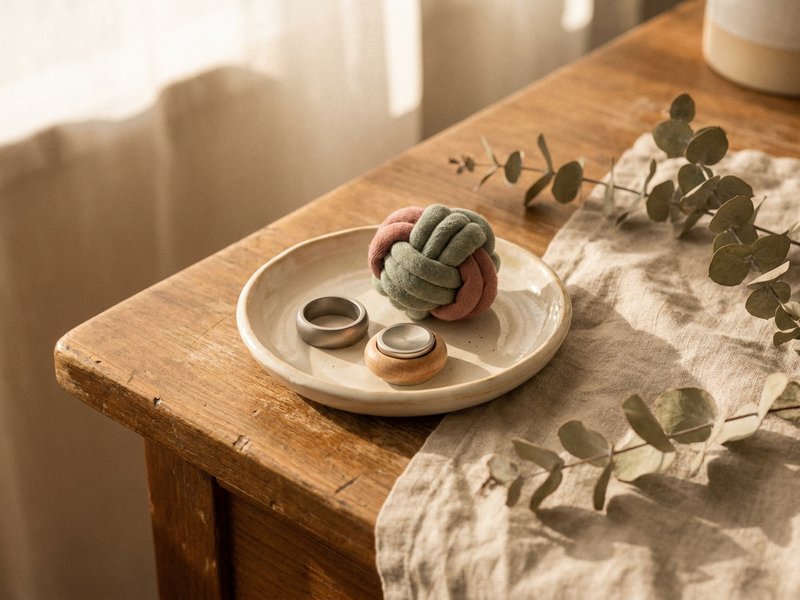
The same regulating tools do not always work the same way for both types, and testing a few honestly matters more than picking 1 on reputation alone. Kelly, a 27 year old ADDitude reader in New Jersey, keeps a giant box of fidget toys, with Tangles and Pop Its as her favorites. She has no shame anymore in needing them to focus and regulate her sensory processing, a tool set that tends to suit Combined type’s need for visible, hands on movement. Christina, another ADDitude reader in Arizona, tried magnetic fidget toys instead. They help her stim, but they are loud, loud enough that she does not notice until someone sitting nearby points it out to her, a reminder that even a tool marketed for focus can carry a real downside worth testing for before committing to it.
Does 1 fidget tool work for every ADHD brain? No. What works depends on whether the restlessness needs a loud, visible outlet or a quiet, contained one, which usually tracks with which type fits closest.
How Do You Know Which Type Actually Fits You?

Does knowing your type require an exact memory of your childhood? No. 1 woman’s small win was meal prepping for the first time in years. Workday lunches always stressed her out, and she usually could not find a way to feel proud of herself. The process was not smooth at all, but she got there, a big pot of vegetables and a week of lunches sorted, and for once she let herself feel proud. Figuring out which type actually fits you works the same way. It rarely looks like a complete, tidy memory of every childhood signal. Noticing 1 real pattern, like a leg that has bounced under every desk you’ve ever sat at, is exactly what it looks like. You’re not behind. You’re just differently wired. This symptom checklist for ADHD in women covers more signals worth checking against your own pattern.
Save this before your next appointment turns into another guess at which symptoms actually matter.
Found this helpful? Pin this guide so you can come back to it anytime.
Frequently Asked Questions
What is the main difference between inattentive and combined ADHD?
Inattentive type includes attention and focus symptoms without much visible hyperactivity. Combined type adds physical restlessness and impulsivity on top of the same attention struggles.
Why do women often get diagnosed with the wrong ADHD type at first?
Masking can flip which traits a clinician sees in a single appointment, changing impulsivity into indecision or emotion into aloofness. The type on paper can shift as more context comes in over time.
What does inattentive ADHD feel like if there’s no visible hyperactivity?
The restlessness is often still there, just contained into small, private movements like pen clicking or hair twirling instead of visible fidgeting, which is part of why it stays hidden longer.
Do the same fidget tools work for both ADHD types?
Not always. What works depends on whether the restlessness needs a loud, visible outlet or a quiet, contained one, so testing a few tools honestly matters more than picking 1 by reputation.
How do I figure out which ADHD type actually fits me?
Look for 1 real, specific pattern, like a habit you’ve had for decades, rather than a complete memory of every childhood signal. A symptom checklist can help you check your pattern against both types.