A junk drawer organizes itself when you stop trying to get it spotless and start making it fast to use. Yesterday, one woman reorganized her entire battery drawer and tested every single battery in it. She rearranged the living room too. Alphabetizing her books came next. The one task actually on her list stayed untouched. Her brain poured itself into anything except the thing it was avoiding. This guide is for the junk drawer itself, the one that never gets the same treatment as the battery drawer.
A junk drawer stays organized with 3 things. Fast sorting into a few real categories. A 10 second keep or toss rule. And 1 spot where trash leaves the drawer the moment you spot it. Skip any of the 3 and the drawer refills within a month. All 3 together take under 20 minutes to set up.

Save this for later
You will want this again. Pin it to your planning board so it is one tap away when you need it.
Pin it for laterWhy Does the Junk Drawer Always Come Back?
The junk drawer comes back because emptying it once does not change what made it fill up. This is task substitution, tied to a well documented ADHD symptom: difficulty organizing or finishing a task. An ADHD brain redirects energy toward a new, low stakes task instead of the one it is avoiding. The new task still delivers a hit of feeling productive. That is exactly what happened with the battery drawer above. A junk drawer often becomes the target of that same substitution. It gets reorganized in a burst of energy, then ignored the second real life resumes. Nothing about the reorganizing addressed why things landed there in the first place.
Why Is Starting Harder Than the Actual Dumping?
Starting is harder than dumping because the obstacle is friction, not motivation. Someone asked a thread in r/UnfuckYourHabitat how to stop clutter from taking over a home. Commenters converged on this exact point. One reply put a number on it. Cleaning for 10 minutes builds enough momentum to fuel another 10 minutes right after. What if 10 minutes feels like too much? Start smaller. The same commenter paired that idea with a 30 second rule: return shoes straight to a closet the moment they come off. Momentum is something you generate by starting, not something you wait around to feel first. A junk drawer works the same way. Set a timer for 10 minutes. Dump the whole drawer onto a table. The momentum shows up once your hands are already moving, not before.
What Actually Belongs in a Junk Drawer?
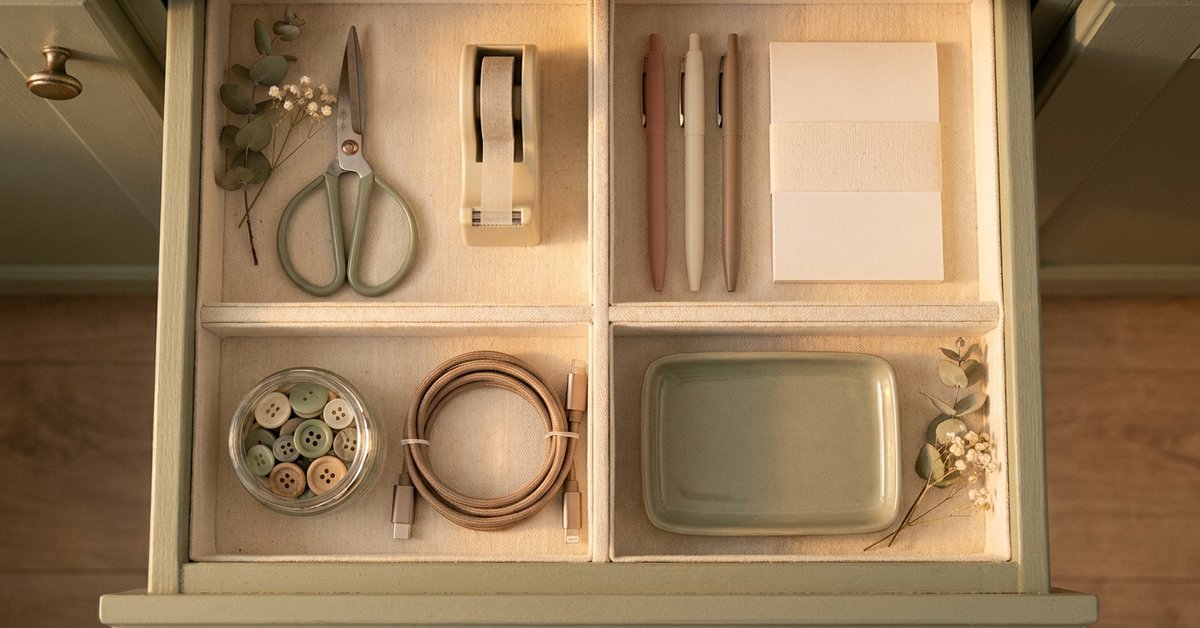
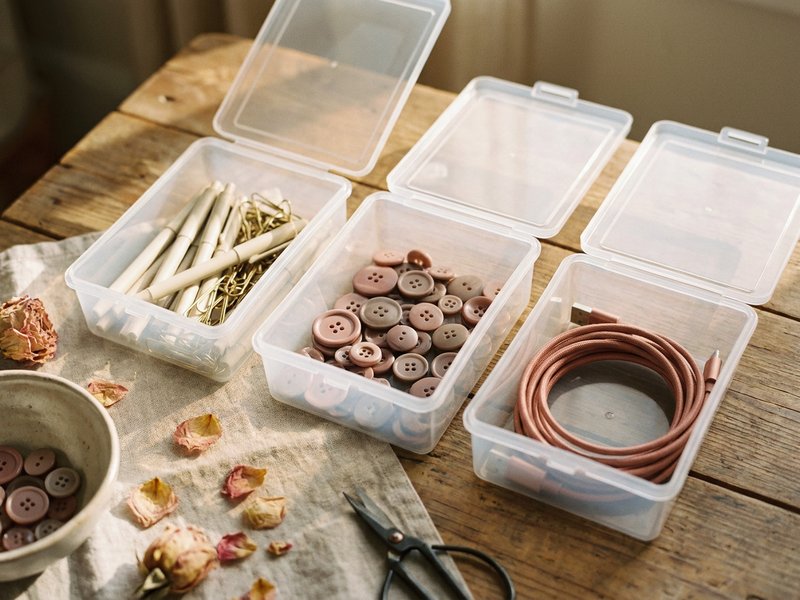
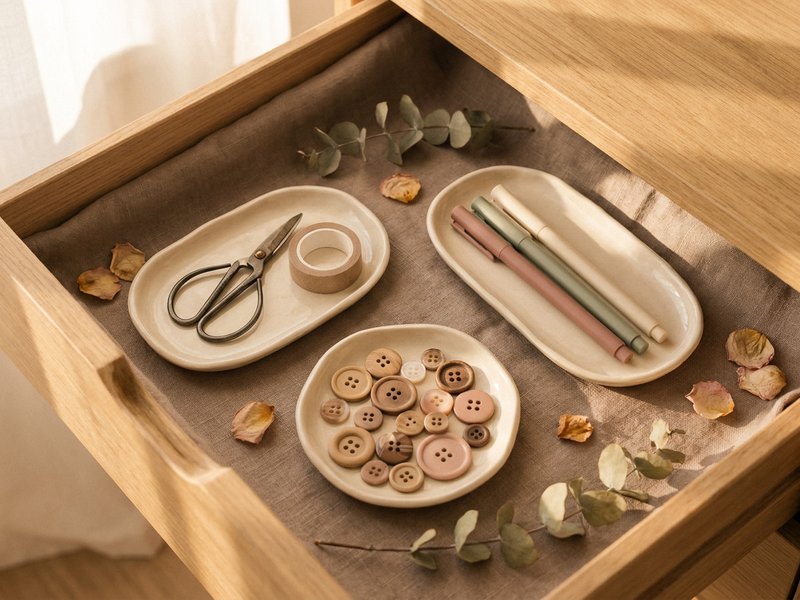
A junk drawer works best with 4 categories, not an open invitation for anything without a home. Tools you reach for weekly belong there, like scissors, tape, and a small screwdriver. So do loose office supplies, like pens, a notepad, and paper clips. Spare parts for things you actually own earn a spot too. Think extra buttons or a charging cable you use often. Last, keep 1 small tray for items you are not sure about yet, reviewed every 3 months. What about the stuff that does not fit any of those 4? Everything else, including expired coupons, dead batteries, and mystery keys, does not belong in the drawer at all.
How Do You Decide What to Keep in 10 Seconds?
You decide what to keep by asking 1 question and giving yourself 10 seconds to answer it. Have I used this in the last 3 months, or do I know exactly when I will? A yes keeps the item. Anything else sends it away. A no, a maybe, or a pause past 10 seconds all mean trash, donation, or the review tray. Does that feel too strict for sentimental items? Move those out of the junk drawer entirely into a labeled memory box instead. A junk drawer is not the right home for anything you actually want to keep long term.
What System Keeps the Drawer From Filling Back Up?
The drawer stays organized when the disposal decision happens the moment you notice an item. Not later, during a future cleanup. One mother of young kids puts a labeled box in each kid’s room for clothes that no longer fit. When something is too small, it goes straight in the box. No pile, no decision, no future project. This works because embedding the disposal decision into the moment of noticing lowers the effort needed later. Apply the same idea to a junk drawer. Keep a small trash bin and a donation bag within arm’s reach of the drawer. A dead battery or an expired coupon leaves the second you spot it, instead of waiting for the next full reorganize.
Do You Need Bins or Dividers?
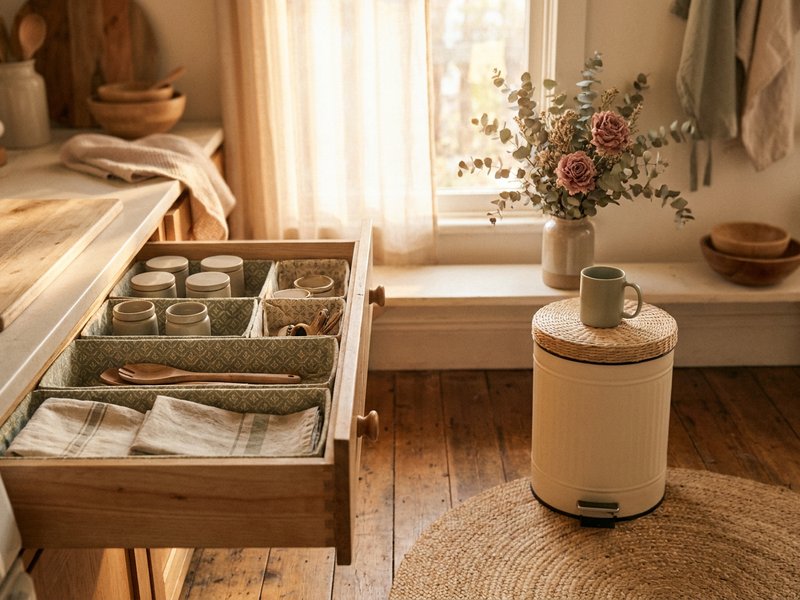
Dividers help, but only if they match the 4 categories you already picked. A generic grid just forces items into the wrong spot. That said, a drawer organizer with 4 to 6 open sections works better than 1 with 12 tiny slots. Fewer, bigger sections mean less decision making every time you put something away. Does the color or material of the bin actually matter? Not much. Clear bins beat opaque ones for the same reason a labeled box works for kids’ clothes. You see the contents without opening anything. Putting an item back stays a 1 step action instead of a 2 step guess.
How Long Should This Actually Take?
A single junk drawer takes 15 to 25 minutes from dump to done. That includes the 10 second decision for every item, and it assumes 1 drawer, not the whole kitchen. If the timer runs out before you finish, stop anyway. Put the unsorted pile back in the drawer loose for next time. A half finished 10 minute session still beats an abandoned 2 hour one. The drawer never gets worse than it started.
What if It Gets Messy Again in a Week?
A messy drawer after a week does not mean the system failed. It means the drawer needs a 2 minute reset, not a full redo. Pull out anything obviously out of place. Toss what has an easy answer under the 10 second rule, then stop there. A junk drawer that needs a quick reset every week or 2 is normal. It still counts as organized. The actual failure state is a drawer nobody ever opens without dread.
What Else in Your Home Deserves This Same System?
The same 3 part system works on any small catch all space, not just the kitchen drawer. Fast categories, a 10 second rule, and an immediate disposal spot. A bathroom cabinet, a car glove box, and an entryway basket all fill up the same way. They respond to the same fix. Our roundup of Amazon finds that made an ADHD home functional covers the specific bins and dividers worth buying, once you know which spaces actually need them. Start with 1 drawer. Let the method prove itself before you expand it.
My own small win was clearing out the box of random stuff that had been sitting around for months. You know the one, full of things that never had a home. They went in the box for later, and later never came. Today it finally came. Most of it turned out to be trash, and the rest got a real place at last. You’re not behind. You’re just differently wired.
Save this before your next 10 minute window opens up.
Found this helpful? Pin this guide so you can come back to it anytime.
Frequently Asked Questions
How do I organize a junk drawer with ADHD?
Set a 10 minute timer and dump the whole drawer onto a table. Sort into 4 categories: tools, office supplies, spare parts, and a review tray. Use a 10 second rule for every item. Keep it if you have used it in the last 3 months or know exactly when you will. Everything else goes to trash or donation immediately.
Why does my junk drawer always get messy again?
A junk drawer refills when disposal decisions get delayed instead of made the moment an item is noticed. Keeping a trash bin and donation bag within reach of the drawer removes that delay. A drawer that needs a quick 2 minute reset every week or 2 is still working. It just needs small, frequent tune ups instead of 1 big overhaul.
How do I start organizing when I do not feel motivated?
Start with 10 minutes instead of waiting for motivation. Momentum builds from the act of starting, not before it. A 30 second rule works the same way. Return an item to its spot the moment you notice it is out of place. Small, immediate actions generate the motivation that waiting never delivers.
Do I need special bins to organize a junk drawer?
Bins help but are not required to start. A drawer organizer with 4 to 6 open sections works better than one with many tiny slots. Fewer sections mean less decision making. Clear bins beat opaque ones because you can see the contents without opening anything. Start sorting first, then buy bins that match your actual categories.
What ADHD organization ideas help with catch all spaces?
The same 3 part system that works on a junk drawer works on any catch all space. Fast categories, a 10 second keep or toss rule, and an immediate disposal spot. Bathroom cabinets, car glove boxes, and entryway baskets all fill up the same way. They respond to the same fix once you have tested it on 1 drawer first.