

An ADHD bedroom setup for how to sleep faster starts with removing friction before bed, not adding another rule to follow. One woman described dreading a single repetitive task every night of a new routine. By day four, she was already lying in bed dreading the next morning’s lunches, not the school run, not the homework, just that one flat task with no flexibility and a hard deadline. She called it activation, not laziness. The same pattern shows up at night in a bedroom that quietly works against you. A bright phone screen, tea after dinner, and a nightstand crowded with everything except what actually helps you wind down all add up.
An ADHD bedroom setup for better sleep means cutting evening caffeine and dimming light at least an hour before bed. Give your racing mind one boring job instead of none. It is not about a matching aesthetic. Start with the one change that removes the most friction tonight.

Save this for later
You will want this again. Pin it to your planning board so it is one tap away when you need it.
Pin it for laterWhat Does an ADHD Bedroom Setup Actually Need to Include?
An ADHD bedroom setup needs 3 things: less light, less noise, and fewer decisions once you are already in the room. It does not need a full redesign, a new mattress, or a matching color scheme.
Why does starting this small matter so much? Most sleep advice assumes you will follow a 10 step routine every single night. An ADHD brain drops a routine that long within a week. 3 changes that stick beat 10 that collapse by Thursday. The National Institute of Mental Health’s overview of ADHD notes that inattention and hyperactivity symptoms often persist into adulthood. That is part of why a bedtime routine built on willpower alone tends to fall apart by the second week.
Why Does Cutting Evening Caffeine Change Your Whole Night?

Cutting evening caffeine changes your whole night because an ADHD brain can stay sensitive to it for hours longer than the label suggests. One woman described weeks of a sleep that felt like a nightmare. She was exhausted but wide awake with a racing mind until 3 or 4 in the morning. Her doctor told her to cut all caffeine, which felt impossible since she drank black tea like water. The first 2 days she was a zombie. A month in, caffeine free with a short daily walk, she started falling asleep within 15 minutes.
Does this mean giving up caffeine completely, forever? Not necessarily. It means testing an evening cutoff first, often 6 to 8 hours before bed, before assuming your sleep problem needs a bigger fix. She said she missed her tea, but not staring at the ceiling at 3am.
What Do You Do When Your Mind Won’t Stop at 3AM?
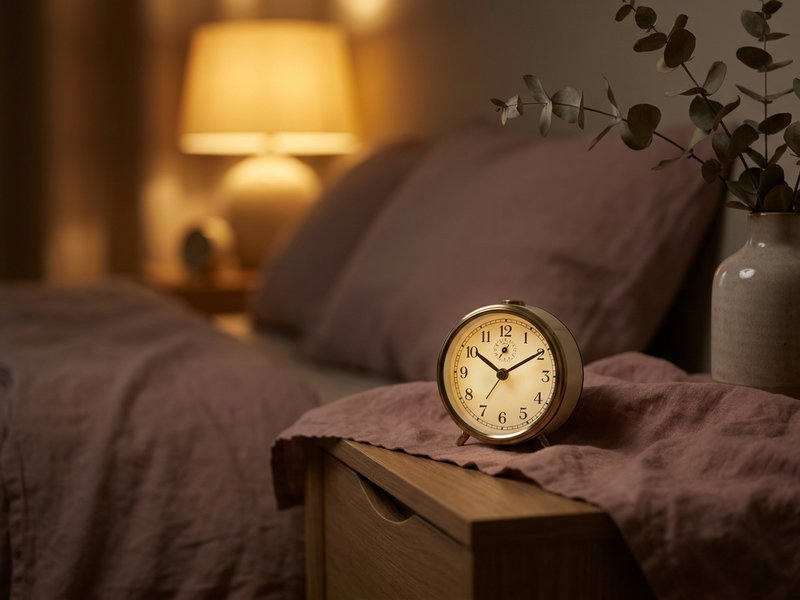
When your mind won’t stop at 3am, give it a slow, boring task instead of trying to force it quiet. One technique from a r/adhdwomen thread has a name outside the community: cognitive shuffling. It is used specifically for middle of the night wake ups rather than the initial fall asleep, and it works by keeping the brain from spiraling. Feeding it a slow, structured task keeps it from wandering. One version cycles through all 26 letters of the alphabet, naming a city or a food for each one before moving to the next.
Why does a boring task work better than trying to think of nothing? Trying to think of nothing gives an ADHD brain an open floor, and it will fill that floor with worry every time. The point of cognitive shuffling is not distraction for its own sake. It is giving the brain a job boring enough that it stops generating its own material.
How Should Light and Sound Work in an ADHD Bedroom?
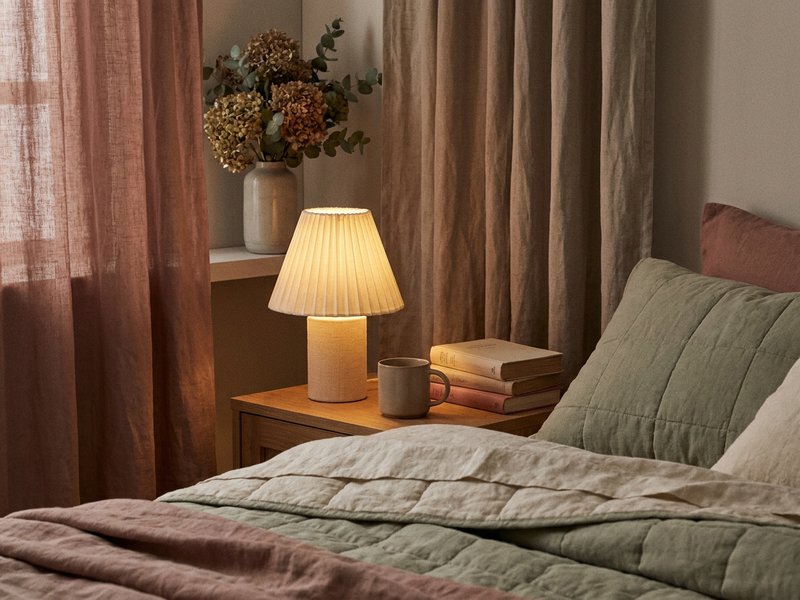
Light and sound in an ADHD bedroom should get quieter in stages, not switch off all at once. A dim lamp instead of an overhead light in the last hour before bed signals the shift. You do not need a full lights out moment to remember. A steady layer of sound, like a fan or plain white noise, gives a racing mind a consistent hum to settle against. Silence alone can amplify every small creak.
What if a full blackout setup feels like too much to build tonight? Skip it. A single warm lamp and a phone left charging outside arm’s reach do most of the work. The CDC’s overview of ADHD in adults notes that symptoms and energy can shift day to day. That is part of why a fixed lighting plan sometimes needs a smaller fallback version too. The rest can wait for a weekend you actually have the energy for it.
What Is the Smallest Bedroom Change to Start With Tonight?
The smallest bedroom change to start with tonight is moving your phone charger out of arm’s reach from the bed. It costs nothing, takes under a minute, and removes the single biggest source of light and scroll temptation in the room. Everything else on this list can wait for tomorrow.
Why does one small move matter more than a full plan? A full plan needs energy you may not have tonight. One small move needs almost none, and it is the one most likely to actually happen before you fall asleep frustrated again.
How Does This Connect to a Full Bedroom Reset?
Tonight’s small changes are the entry point, not the finished room. This guide to 15 cozy bedroom ideas for ADHD women covers the fuller reset once the basics above are already working for you.
What Does Progress With an ADHD Bedroom Setup Actually Look Like?
One woman’s small win was making her bed and clearing one surface, and the room suddenly felt like hers again. She did not deep clean. She did not redecorate. 2 small changes shifted the whole space, and she called 2 small things often the entire win. Progress with an ADHD bedroom setup looks the same way. It rarely looks like a finished room from a catalog. One lamp dimmed and one phone charging across the room is exactly what it looks like. You’re not behind. You’re just differently wired.
Save this before you try to overhaul the whole room in one night again.
Found this helpful? Pin this guide so you can come back to it anytime.
Frequently Asked Questions
What does an ADHD bedroom setup actually need to include?
An ADHD bedroom setup needs less light, less noise, and fewer decisions once you are already in the room, not a full redesign or a matching color scheme. Start with 3 small changes instead of a long routine that collapses by Thursday.
Does cutting caffeine really help ADHD sleep?
For many people it does, because an ADHD brain can stay sensitive to caffeine for longer than the label suggests. Testing an evening cutoff 6 to 8 hours before bed is a lower effort first step than removing caffeine completely.
What can I do when my mind won’t stop racing at 3am?
Try cognitive shuffling: give your brain a slow, boring task like naming a city for every letter of the alphabet. Trying to think of nothing tends to backfire, since an ADHD brain fills empty space with worry instead of quiet.
Do I need blackout curtains for an ADHD bedroom setup?
Not to start. A single warm lamp used in the last hour before bed and a phone charging outside arm’s reach do most of the work. Blackout curtains and a full light plan can wait for a day you have more energy to set them up.
What is the single smallest change to try tonight?
Move your phone charger out of arm’s reach from the bed. It takes under a minute, costs nothing, and removes the biggest source of light and scroll temptation in the room without needing any extra motivation.