This article discusses general strategies for sensory overload recovery and is not medical advice. If overload is frequent, severe, or affecting your safety, talk with a doctor or occupational therapist. They can help you find what fits your situation.
Recovering from sensory overload with ADHD is not about pushing through. One woman described the shift plainly: she always thought hyperactive meant extra energy, like an engine running hot. It took her years to understand it means going past empty. Past tired. Past overwhelmed. Until her body just locks up and refuses. That was not a breakdown. That was the bill coming due. The ten minutes below are built around paying that bill early, before it comes due at full price.
Recovering from sensory overload starts with cutting the input, not managing your reaction to it. Leave the environment, dim the light, or block the noise first. The calming technique only works once your nervous system has something less to fight.


Save this for later
You will want this again. Pin it to your planning board so it is one tap away when you need it.
Pin it for laterHow Is Recovering From Sensory Overload Different From Preventing It?
Prevention means adjusting your environment before overload starts. Recovery means your nervous system is already flooded and needs to come back down. Why does that distinction matter? Different job, different tools. A prevention tool like scheduled breaks does nothing once you are already locked up. Recovery needs something that works on an already activated body, not a calm one.
What Should I Do in the First Two Minutes?
Cut the input. Leave the room if you can. If you cannot, dim the lights, put in earplugs, or step toward the quietest corner available. Why does this come before any calming technique? A nervous system still receiving the same flood of noise and light cannot downregulate. It does not matter what you do next. Removing input is not giving up. It is the first real step.
Does Deep Pressure Actually Help Reset an Overloaded Nervous System?
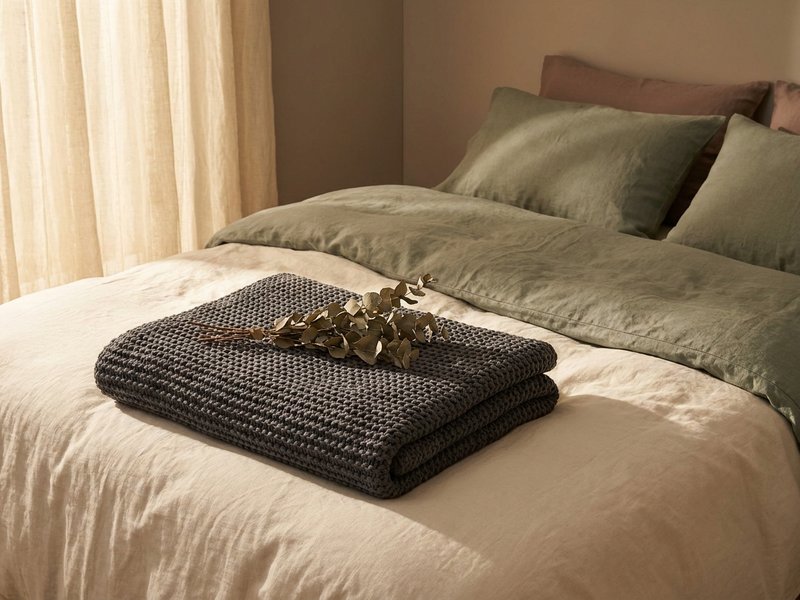
Yes, and it has research behind it. A repeated measures study found that a weighted vest combined with vibrotactile stimulation decreased sympathetic nervous system activity. That is the exact branch responsible for the flooded, wound tight feeling of overload. A weighted blanket, a firm hug, or even pressing your palms flat against a wall for thirty seconds uses the same mechanism. What matters most? Firm, even pressure held for a stretch of time, not a light touch.
Can Intense Movement Make Overload Worse Instead of Better?
For some nervous systems, yes. Standard advice treats cardio as an automatic regulation tool. One woman on r/adhdwomen described the opposite pattern after a heavier heart rate spike. Fifteen minutes on a spin bike amped her nervous system up rather than down. It took two to three days to fully come back down afterward. She was careful not to call the reaction anxiety or a panic attack. It was an existing nervous system issue that a high heart rate made worse. Exercise type has to match your specific nervous system. It is not a single fix that works the same way for everyone.
What Does the Full 10 Minute Sequence Look Like?
- Minutes 0 to 2: cut the input. Leave, dim, or block. Do not add anything else until this step is done.
- Minutes 2 to 5: apply firm pressure. A weighted blanket, a tight self hug, or palms pressed flat against a wall or floor.
- Minutes 5 to 8: ground through your senses. A version of this technique, sometimes called 5, 4, 3, 2, 1, has real evidence behind it. A trial testing the same protocol found a significant drop in anxiety scores among people with acute anxiety. Name five things you can see. Four you can touch. Three you can hear. Two you can smell. One you can taste.
- Minutes 8 to 10: come back in slowly. Do not walk straight back into the environment that caused the overload. Give yourself one buffer task first, even something as small as a glass of water.
How Do I Calm the Alarm in My Head, Not Just My Body?
One line does more work than most people expect: discomfort is not danger. Shame can feel like an emergency, and an overloaded nervous system treats it like one. Repeating that sentence during the pressure or grounding steps is how one woman talks her own alarm back down. Why does that help if the overload itself is still happening? It stops the second layer, the fear about the overload, from making the first layer worse.
What If Ten Minutes Isn’t Enough?
Repeat the sequence rather than pushing through. A second round of pressure and grounding costs another ten minutes. Skipping recovery to save time usually costs more time later. The overload compounds into a shutdown that takes hours instead of minutes. Do the same triggers keep causing overload in the same places? Our roundup of sensory tools worth trying covers a few physical options for cutting input before it builds up that far.
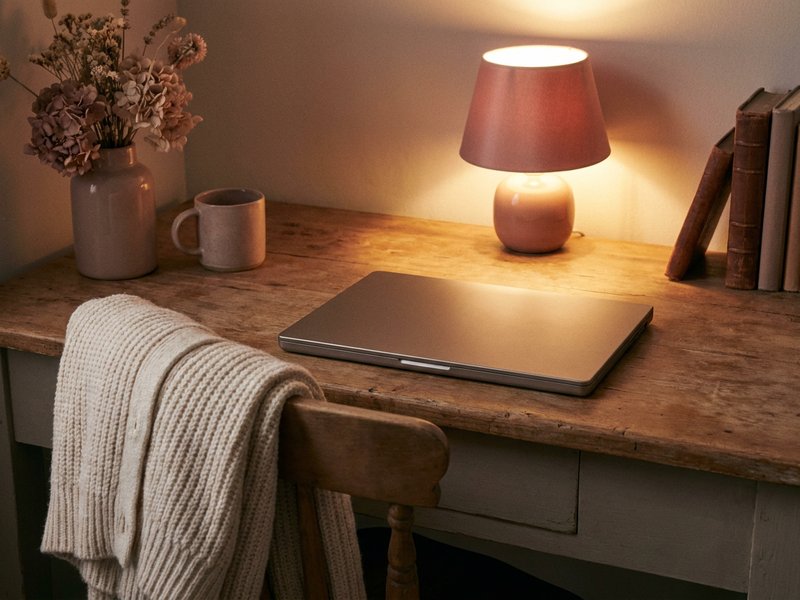
One small win came from closing the laptop at six in the evening and not reopening it. No emergency happened. Nobody noticed. For someone who built a whole identity on never logging off, that ordinary evening was a quiet revolution. You’re not behind. You’re just differently wired.
Save this for the next time your senses hit their limit before your day is done. Pin it now so it is waiting the next time you need these exact ten minutes.
Found this helpful? Pin this guide so you can come back to it anytime.
Frequently Asked Questions
How do I recover from sensory overload fast?
Cut the input first by leaving, dimming lights, or blocking noise, then apply firm pressure like a weighted blanket for a few minutes before grounding through your senses. Come back into the environment slowly instead of going straight back in. The whole sequence takes about ten minutes.
What is the fastest way to calm sensory overload?
Removing the sensory input itself works faster than any calming technique, since a nervous system still receiving the same flood cannot downregulate. Leave the room, dim the lights, or put in earplugs before trying anything else.
Does deep pressure help with sensory overload?
Yes. Research on weighted vests found they decrease sympathetic nervous system activity, the branch responsible for the wound tight feeling of overload. A weighted blanket or a firm self hug uses the same mechanism.
Can exercise make sensory overload worse?
For some nervous systems, yes. Intense cardio can spike heart rate and amplify overload rather than resolve it, sometimes taking days to fully settle afterward. Exercise type needs to match your specific nervous system rather than being treated as a universal fix.
What if 10 minutes of recovery isn’t enough?
Repeat the sequence instead of pushing through. Skipping recovery to save time usually costs more time later, once overload compounds into a longer shutdown. Physical tools that cut input before it builds up can also help if the same triggers keep recurring.