
An ADHD grocery list system that sticks works by removing the decision ahead of time, built around low effort meals on repeat instead of a fresh plan every single week. It is not a prettier app or a longer list. It is a fixed set of items that gets written down once and reused, so a tired brain never has to invent the list from nothing at the store.
An ADHD grocery list system that sticks is built once and reused, not reinvented every week. The goal is a repeatable list of low effort meals, not a new plan every trip. Write your repeat list today before your next store trip forces the decision from scratch.

Save this for later
You will want this again. Pin it to your planning board so it is one tap away when you need it.
Pin it for laterWhat Does an ADHD Grocery List System Actually Look Like?
An ADHD grocery list system is a fixed, reusable list built around a small set of repeat meals, not a new list written from memory every trip. The National Institute of Mental Health lists poor planning and trouble remembering daily tasks among the everyday problems adults with ADHD describe, which is part of why standing in an aisle trying to recall what is already at home so often ends in a cart full of guesses. A system removes that recall step entirely.
Does a repeat list mean eating the exact same thing every week? No. It means starting from a known base list and only swapping 1 or 2 items, instead of building the whole list from nothing each time.
Why Do Digital Grocery List Apps Keep Failing an ADHD Brain?

Digital grocery list apps keep failing an ADHD brain because most of them only store items instead of sorting them by how much energy each one takes to buy or cook. One task app aimed at ADHD users quotes a real customer describing an ordinary backlog as a mountain they will never get on top of, proof that a tool which just piles items up adds visible weight instead of removing it. The app in question advertises 8 separate calendar and list integrations, and not one of them addresses that sorting problem.
Does this mean every app fails? No. It means an app only helps once it groups items by effort, not just by aisle, which most grocery apps never do.
Why Does the Same Grocery Item Keep Getting Rebought?
The same grocery item keeps getting rebought because object permanence gaps common in ADHD make it hard for a brain to hold onto the fact that something already exists at home. One woman described her own version of this while cleaning: a stash of reusable grocery bags scattered across 1 spot in the kitchen, more in her office, more in another basket, all living directly under her car keys by the door. Still, every single shop, she forgot they existed and bought another one. The Centers for Disease Control and Prevention lists staying organized among the things adults with ADHD may struggle with, which is part of why a mental inventory of the pantry rarely holds up at the store.
Does this mean the fix is trying harder to remember? No. It means the fix is a visible, standing record of what is already on hand, since memory alone keeps losing this exact fight.
How Do You Actually Build a Grocery List System That Doesn’t Fall Apart?
Building a grocery list system that doesn’t fall apart means writing the repeat list once, then adding a standing reminder for the 1 or 2 items that actually run out on a schedule. One woman going through perimenopause described no longer getting warned when a hard week was coming, so she stopped trying to predict it and started stocking for it instead. Frozen food stayed in the freezer, grab and go meals got made on a good day, and a post it note went with her for the 1 item she would otherwise forget to refill. The plan did not need a date to work.
- Write the repeat list once: 10 to 15 items covering breakfast, lunch, and dinner for a normal week.
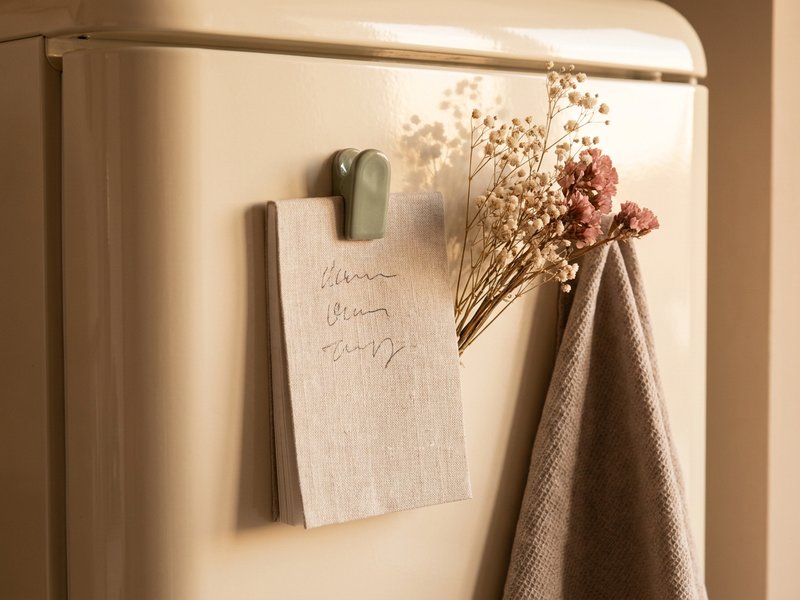
- Pin it somewhere fixed: the fridge, a phone note titled the same way every time, never a fresh note.
- Flag the 1 fast mover: the single item that runs out fastest gets its own reminder, not the whole list.
- Stock 2 to 3 low effort meals ahead: frozen or grab and go options for the days cooking will not happen.
- Only edit, never rebuild: cross off and add to the same list instead of starting a new one each trip.
Does this list ever need to change? Yes, occasionally. Swap 1 or 2 items when a meal gets boring, but keep the base list fixed so the system never has to be rebuilt from scratch.
How Does This Connect to a Full ADHD Meal Prep System?
A repeat grocery list covers what comes into the house, not what happens to it once it is there. Does it replace meal prep entirely? Not on its own. This guide to meal prepping with ADHD without burning out covers the fuller system once a reliable grocery list is already in place.
What Does Progress With a Grocery List System Actually Look Like?
One woman’s small win was a whole pile of small wins on the same low capacity day: she got up early, cooked and ate a real breakfast at home, then washed and styled her hair. The thing she was proudest of was using up the last of the spinach before it went bad. Saving 1 sad bag of greens counted as a real victory that day. Progress with a grocery list system looks the same way. It rarely looks like a flawless pantry. 1 bag of spinach used before it wilts is exactly what it looks like. You’re not behind. You’re just differently wired.
Save this before your next store trip turns into another blank list moment.
Found this helpful? Pin this guide so you can come back to it anytime.
Frequently Asked Questions
What is an ADHD grocery list system?
It is a fixed, reusable list built around a small set of repeat meals, edited each trip instead of rebuilt from memory. The goal is removing the recall step, not creating a longer list.
Why do grocery list apps stop working for me after a few weeks?
Most apps only store items instead of sorting them by effort, so the list grows heavier instead of lighter. A system that groups items by how much energy they take works better than a longer digital list.
Why do I keep buying things I already have at home?
Object permanence gaps common in ADHD make it hard to hold onto the fact that an item already exists at home. A visible, standing list of what is on hand works better than relying on memory alone.
How many items should a repeat grocery list have?
10 to 15 items covering breakfast, lunch, and dinner for a normal week is usually enough. The list gets edited each trip, not rebuilt, so it stays that same manageable size.
How do I know if my grocery list system is actually working?
Progress rarely looks like a flawless, fully stocked pantry. Using up 1 item before it goes bad, even on a low capacity day, is a real sign the system is working.