
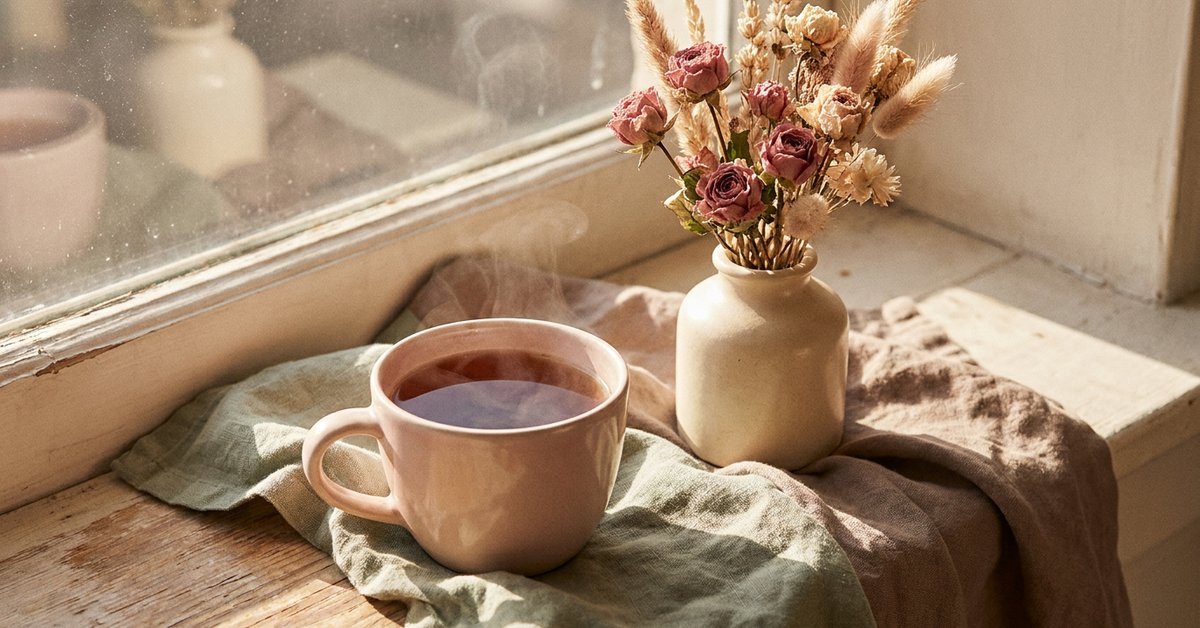
Romanticizing your life with ADHD works as a real self care glow up, not a Pinterest performance for nobody watching. It means noticing 1 small moment, a warm mug, a patch of sun on the floor, instead of numbing through the day with constant noise. The version that actually sticks looks nothing like a curated aesthetic feed. It looks like paying attention to your own life instead of someone else’s.
Romanticizing your life with ADHD means noticing small real moments instead of performing an aesthetic for an audience. It works better as permission to play and pay attention than as another Pinterest board to fall short of. Start with 1 quiet moment today before adding anything else.

Save this for later
You will want this again. Pin it to your planning board so it is one tap away when you need it.
Pin it for laterWhat Does It Actually Mean to Romanticize Your Life With ADHD?
Romanticizing your life with ADHD means treating small, ordinary moments as worth noticing, not performing a curated version of your life for an audience. The National Institute of Mental Health lists a need for constant activity or stimulation and choosing immediate rewards among the symptoms adults with ADHD describe, which is part of why constant stimulation can crowd out the smaller, quieter moments a romanticized life is actually built from. Noticing takes practice for a brain wired to reach for the next thing.
Does this mean romanticizing life requires a slower personality? No. It means building in small pauses on purpose, since an ADHD brain rarely slows down without one.
Why Does Filling Every Quiet Moment With Noise Get in the Way?
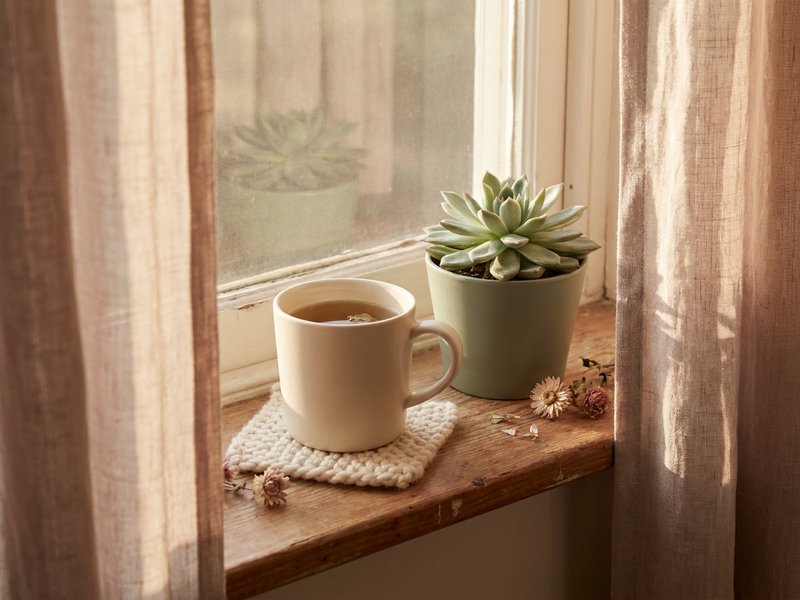
Filling every quiet moment with noise gets in the way because constant auditory input can keep an ADHD nervous system in low level alert, never settling long enough to notice anything at all. One woman described years of filling every quiet second with something, podcasts in the shower, reels at red lights, so she never had to be alone with her own head. When her phone died in the car after work, the silence felt almost threatening at first, and her nervous system kept reaching for something to hold. A minute later she noticed her breath, and understood she had not been avoiding boredom. She had been avoiding herself.
Does this mean silence should feel comfortable right away? No. It usually feels uncomfortable first, since a nervous system used to constant input needs a minute to settle before it can notice anything small.
Why Does Romanticizing Through Pinterest Comparison Backfire?
Romanticizing life through Pinterest comparison backfires because it turns a private practice of noticing into a public performance of aesthetics. Even people who create ADHD home content professionally describe this pressure. Katie Bowen, who runs the ADHD Home TV account for more than 422,500 followers, has spoken openly about second guessing her own choices when they differ from trending aesthetics, admitting she gets a lot of imposter syndrome worrying if her place is not pretty enough. Her fix was treating what actually works for her own brain as the real design brief, not what performs well on a feed. Comparison is a hard pull for many women with ADHD, and curated feeds can undercut a practice meant to feel good.
Does this mean aesthetics never matter? No. It means the aesthetic should follow from what actually feels good, instead of the feeling getting manufactured to match an aesthetic.
What Does Giving Yourself Permission to Play Actually Look Like?

Giving yourself permission to play looks like small, low pressure experiments instead of another project you have to finish. Reconnecting with low pressure play can ease the constant self monitoring that years of masking build in a neurodivergent adult. One woman’s therapist told her to go find the childlike joy she had learned to suppress, so she took a small budget to a craft store instead of a toy store. She had always loved sparkly things, but needed to make something with them, not just look. Her therapist reminded her that even if she ended up not liking what she bought, it was not wasted. It was good data about what lights her up. Permission to play turned out to be the whole point.
Does the craft or hobby have to be a good fit right away? No. Trying something and disliking it still counts as useful information, not a wasted attempt.
How Does This Connect to a Full Slow Living Practice?
Romanticizing daily moments is 1 piece of a slower life, not the whole practice. Does it cover how to build slowness into a full week? Not on its own. This guide to 12 slow living ideas for neurodivergent women covers the fuller practice once noticing small moments is already part of your day.
What Does Progress With Romanticizing Your Life Actually Look Like?

One woman’s small win was finding a hobby that actually stuck. She started cross stitch with a cheap kit, not sure she would like it, and stitches almost every day now. It is calming, and quiets the constant chatter in her head. After a lifetime of dropping hobbies within 5 minutes, 21 months in feels like a real victory. Progress with romanticizing your life looks the same way. It rarely looks like a finished aesthetic. 1 quiet moment actually noticed is exactly what it looks like. You’re not behind. You’re just differently wired.
Save this before your next quiet moment gets filled with noise again.
Found this helpful? Pin this guide so you can come back to it anytime.
Frequently Asked Questions
What does it mean to romanticize your life when you have ADHD?
It means treating small, ordinary moments as worth noticing instead of performing a curated version of your life for an audience. Noticing takes practice for a brain wired to reach for the next thing.
Why do I struggle to sit in quiet moments without reaching for my phone?
Constant auditory input can keep an ADHD nervous system in low level alert, so silence can feel uncomfortable at first. That discomfort usually settles within a minute or 2 once the nervous system adjusts.
Why does comparing my life to Pinterest aesthetics make romanticizing feel worse?
Comparison turns a private practice of noticing into a public performance, which can trigger imposter syndrome even for people who create aesthetic content professionally. The aesthetic should follow the feeling, not manufacture it.
How do I start giving myself permission to play as an adult?
Try a small, low pressure experiment, like a cheap craft supply, without needing it to become a lasting hobby. Even a disliked attempt counts as useful data about what actually lights you up.
How do I know if romanticizing my life is actually working?
Progress rarely looks like a finished aesthetic or a perfectly curated day. 1 quiet moment actually noticed, even if nothing else changes, is a real sign the practice is taking hold.