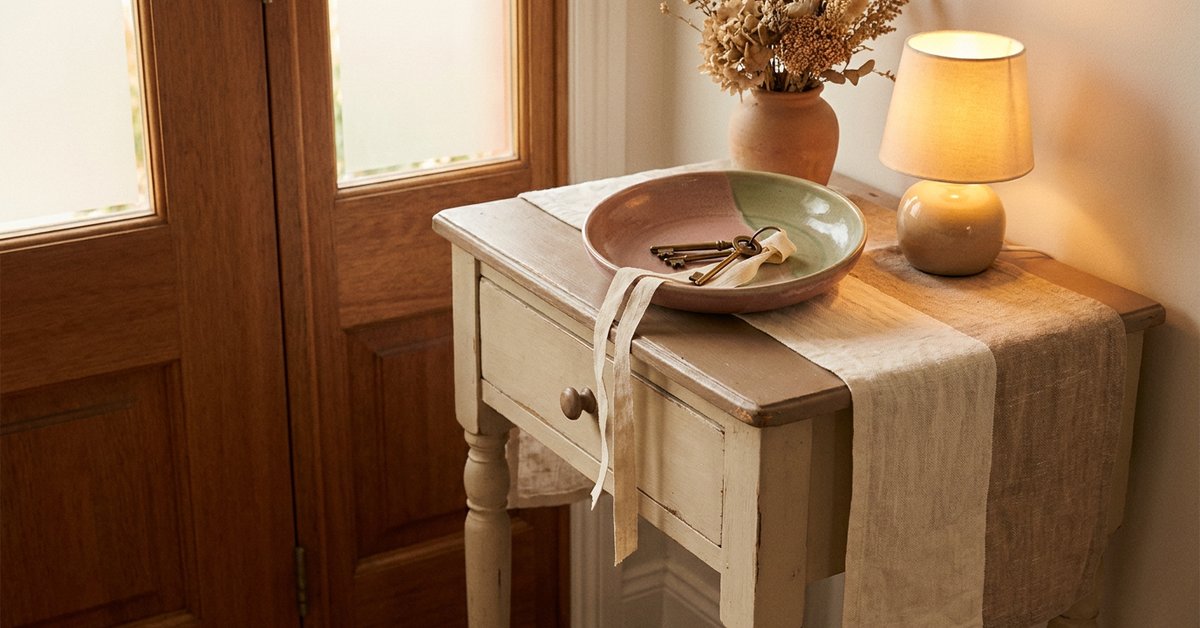
An ADHD drop zone setup gives keys, wallets, and everything else a single fixed landing spot near the door. Nothing gets lost between your hands and its actual home. One woman described the moment the pattern finally made sense. She used to wonder why her mom ran on the same frequency as her: the interrupting, the tangents, the lost keys. Once she got diagnosed, she looked back at her whole family like a math equation that finally balanced. The lost keys were never a fluke. They were a brain doing exactly what an ADHD brain does without a system built around it.
An ADHD drop zone setup means one visible spot, usually a bowl or a shallow tray by the door, that holds keys and nothing else. Skip anything that closes, covers, or requires a decision. The system only works if putting an item down takes less effort than setting it down anywhere else in the house.

Save this for later
You will want this again. Pin it to your planning board so it is one tap away when you need it.
Pin it for laterWhat Is an ADHD Drop Zone, Exactly?
An ADHD drop zone is one fixed spot near your main entry point that holds keys, and only keys, every single time you walk in. It is not a catch all for mail, sunglasses, and random bags. One object, one spot, every time.
Why does keeping it to one object matter this much? A drop zone that holds 6 different categories turns into a pile within a week, and a pile is exactly what your brain already ignores. One object means one decision removed, not 6.
Why Do Keys Keep Disappearing in the First Place?

Keys disappear because your hands are already busy and your brain is already 3 steps ahead by the time you walk through the door. One woman described her mid twenties this way. Her power got cut for unpaid bills, her keys vanished weekly, and unanswered emails set off panic every time she saw them. What turned it around was not one trick. It was a stack of tiny systems she trusted more than her own memory.
Does that mean you need a complicated system to fix it? No. Her fix was one bowl by the door for keys and autopay for anything that could be automated. Scary emails got opened the same day so they could not grow teeth overnight. The CDC’s overview of ADHD lists trouble with organization and forgetfulness among common adult symptoms, not a personal failing. Her keys problem got solved by the smallest piece of that stack, not the most complicated one.
What Should the Drop Zone Container Actually Look Like?
The drop zone container should be open, shallow, and impossible to close. A bowl, a tray, or a shallow basket all work. Anything with a lid, like a drawer or a covered box, does not, since closing something takes an extra motion your hands will skip on the way out the door.
What if you already own a covered box you love the look of? Keep it somewhere else in the house. The container needs to win on function here, not on how it photographs. An open bowl that actually catches your keys beats a closed box that looks nicer and gets ignored.
How Do You Keep Items Visible Without It Looking Like Clutter?
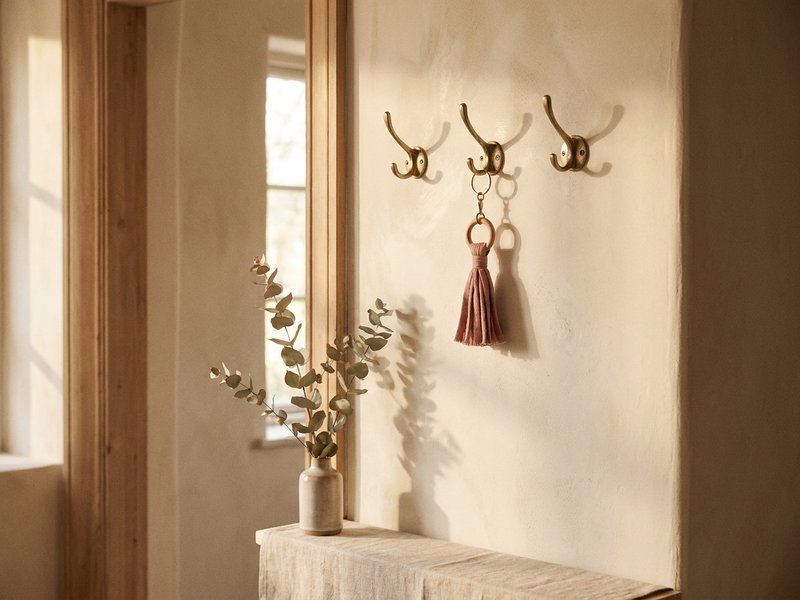
You keep items visible without clutter by giving each one its own named spot instead of one shared surface. On r/adhdwomen, one commenter asked exactly this question and several pointed to the same organizing framework: Clutterbug, built around 3 personality types. One commenter identified as a Butterfly, the type most prone to out of sight, out of mind thinking. She reported results after a month: her space had never felt this good for this long. A second commenter took the same quiz, landed on the identical result, and said the description felt like finally being understood.
Does this mean you need to take a personality quiz before setting up a drop zone? Not at all. The lesson underneath it applies either way: visible storage works better than hidden storage for a brain that treats closed containers as invisible. A bowl on the counter beats a labeled bin in a closet, even if the bin is objectively neater.
Where Should You Actually Put the Drop Zone?
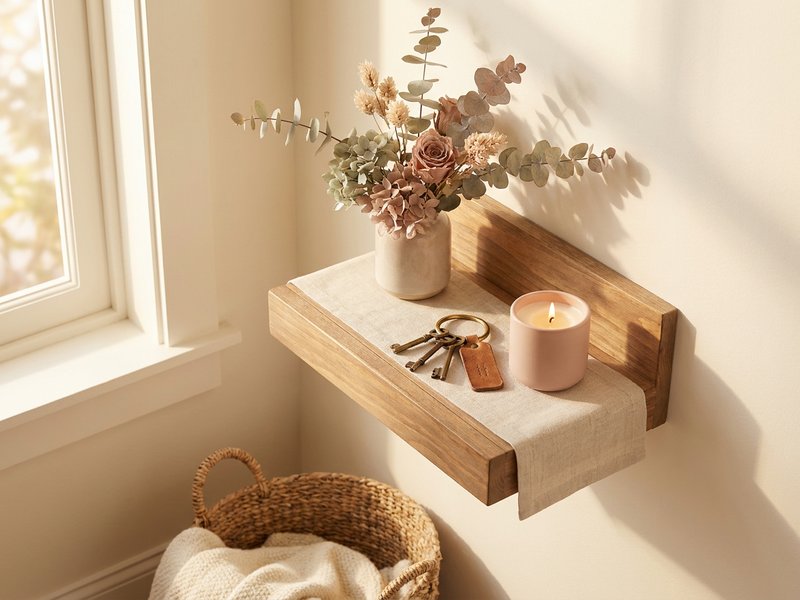
Put the drop zone in the exact spot your hand already reaches toward when you walk in, not the spot that makes the most design sense. For most people that is a small table or a shelf within arm’s reach of the door, not a hallway closet a few steps further in.
What if your entryway is too small for a table? A single wall mounted hook or a small shelf works just as well. The National Institute of Mental Health notes that ADHD often involves ongoing differences in working memory. That is part of why a spot that requires zero extra steps outperforms a better looking spot that requires 2 or 3.
How Does This Connect to a Full Home Organization Reset?
A drop zone is one piece of a bigger visual storage approach, not the whole system. This guide to 15 visual storage ideas for ADHD women who forget covers the rest of the house once the entryway is holding.
What Does Progress With a Drop Zone Actually Look Like?
One woman’s small win was finally tackling the pantry that had gotten worse every year she lived there. Her partner helped push the project, and her toddler watched a few too many movies. Over 2 days she purged it, moved everything into containers, and made the snacks easy for her kid to reach. Five years of dread, and now it actually works. Progress with a drop zone looks the same way. It rarely looks like a magazine entryway. One bowl that still has your keys in it every single morning is exactly what it looks like. You’re not behind. You’re just differently wired.
Save this before you lose your keys one more time this week.
Found this helpful? Pin this guide so you can come back to it anytime.
Frequently Asked Questions
What is an ADHD drop zone, exactly?
An ADHD drop zone is one fixed spot near your entry point that holds keys, and only keys, every time you walk in. Keeping it to a single object removes the decision that a shared catch all surface adds back in.
Why do I keep losing my keys even when I try to be careful?
Keys go missing because your hands are already busy and your attention has already moved on by the time you walk through the door. A fixed, open landing spot removes the decision entirely instead of asking you to remember one more time.
Should my drop zone container have a lid?
No. An open bowl, tray, or shallow basket works because it needs no extra motion. A drawer or covered box adds a step your hands will skip on the way out the door, even if it looks tidier.
How do I keep a drop zone visible without it looking messy?
Give each item its own named spot instead of one shared surface for everything. Frameworks like Clutterbug point to the same idea: visible storage works better than hidden storage for a brain that treats closed containers as invisible.
Where exactly should I put my ADHD drop zone?
Put it in the exact spot your hand already reaches toward when you walk in, whether that is a small table, a shelf, or a single wall mounted hook. A spot with zero extra steps beats a better looking spot that requires a few more.