
A slow morning routine for ADHD women means moving decisions and objects to the night before, not trying to become a morning person. One woman described the exact split that makes mornings so hard: she could power through anything with a deadline, but came home and failed to start the things she actually chose for herself, the dishes, the cleaning, the project she cared about. Nothing about a morning carries that same outside pressure, so nothing gets started.
Slow morning routine ideas for ADHD women work by prepping decisions the night before and keeping the first hour low pressure, since a circadian rhythm skewed later than most, with dim light melatonin onset delayed by up to 90 minutes in ADHD adults, makes early alertness a body clock issue, not a willpower one. The 15 ideas below cover night before prep, a low pressure first hour, backup moves for late mornings, and what to skip.


Save this for later
You will want this again. Pin it to your planning board so it is one tap away when you need it.
Pin it for laterWhat Makes ADHD Mornings So Hard?
ADHD mornings are hard because the body clock itself runs later, not because of a lack of willpower. A 2026 review describes ADHD as showing signs of a real circadian rhythm shift, with dim light melatonin onset delayed by roughly 90 minutes in ADHD adults and a later, flatter morning cortisol rise compared to neurotypical adults. Cortisol is the hormone that is supposed to spike shortly after waking and hand you alertness. When that spike arrives late and low, the first hour feels foggy no matter how much sleep you got. Why does this matter for a morning routine? Because pushing the alarm earlier fights a hormone curve that has not caught up yet.
Read more on the circadian rhythm research on ADHD if you want the full mechanism. The short version: an early alarm is working against your biology, not your effort.
Why Does a Slow Morning Routine Work Better Than an Early Alarm?
A slow morning routine works better than an early alarm because it removes decisions instead of adding minutes. Research on adults with ADHD found that organization in time, meaning how well someone structures and sequences daily tasks, predicts both executive function scores and quality of life more strongly than raw time available. In other words, having more minutes does not help if every one of them requires a fresh decision. Waking up 45 minutes earlier just gives an ADHD brain more time to spend frozen in front of the closet. Moving decisions to the night before removes that freeze point entirely, so the extra time you do have goes toward actually getting ready.
The study on organization in time and executive function backs this up directly. What actually helps mornings is not more time. It is fewer choices sitting inside that time.
Which Night Before Prep Ideas Save the Most Morning Energy?
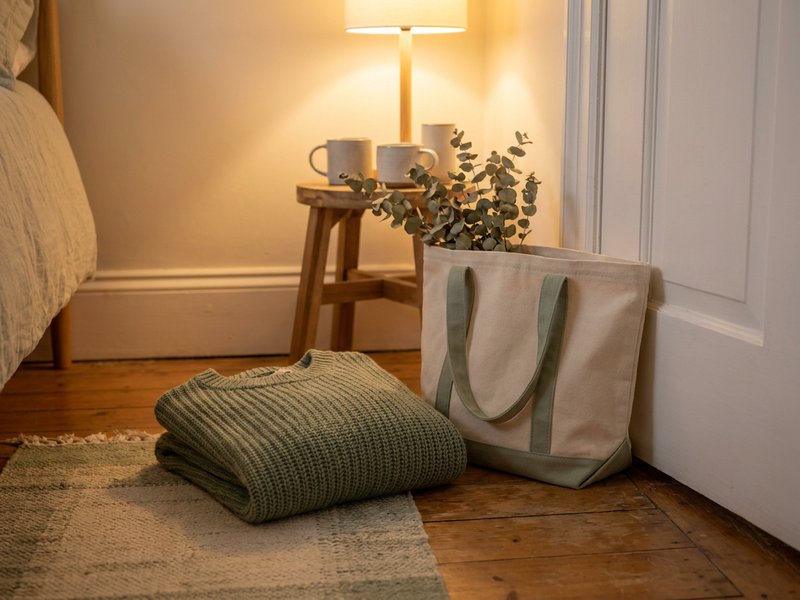
Night before prep ideas save morning energy by moving the decision to a time when your brain already has bandwidth for it. Try these 4 tonight. Lay out your full outfit, including socks and any layers, on top of the dresser instead of inside the closet. Pack your bag completely and set it by the door where you will trip over it. Portion breakfast ahead into a single grab and go container, whether that is overnight oats or a bar and fruit. Move anything you need to return or drop off tomorrow into the car tonight, so the reminder lives where you will physically see it instead of in an app you forget to open.
One woman described exactly why the object matters more than the note: she writes everything in her agenda, but the real gap was remembering to check it before walking out the door. What worked was moving the physical item, not adding another reminder. If she needed to return something the next day, it went in the car the night before, so the reminder lived where she would trip over it instead of inside an app she forgot to open. This worked for her. It might not for everyone. The underlying idea, put the object in your path instead of on a list, transfers to almost any morning task.
Which Low Pressure First Hour Ideas Keep Mornings Soft?
Low pressure first hour ideas keep mornings soft by delaying the first source of stimulation. Try these 4. Keep your phone untouched for the first 30 minutes after waking, since early screen contact is the trigger that turns an anxious morning into a scrambling one before the day has properly started. Drink a full glass of water before you make coffee, which gives your body something to do besides reach for your phone out of habit. Play one favorite song instead of opening any app, since music gives your brain a dopamine cue without the scroll. Sit somewhere with natural light for 5 minutes, which helps nudge a delayed circadian rhythm forward over time.
A sponsored patient contributor managing ADHD and depression described mornings as consistently harder than the rest of the day, writing that mornings have always been a time of high anxiety. The same piece pointed to keeping the phone untouched for the first 30 minutes as the difference between an anxious morning and a scrambling one. But what if you reach for your phone out of habit before you even think about it? Try leaving it charging outside the bedroom, so the habit has nothing to grab onto.

Which Ideas Help When You Are Already Running Late?
Ideas for a running late morning work by shrinking the decision down to almost nothing. Try these 4. Keep a 3 item minimum list, meaning only 3 things actually have to happen before you leave, everything else is optional. Stock a grab and go breakfast bar stash at eye level in the pantry, bars and fruit only, no prep required. Set 2 alarms with different labels, one that says “get up” and one 10 minutes later that says “leave now”, so the second one carries urgency the first one never could. Do the hardest task first while adrenaline from waking up late is still working in your favor, not against it.
Is it worth keeping a full skincare or hair routine on a late morning? For most late diagnosed women, no. A 3 item minimum list only works if the 3 items are the ones that actually matter, teeth, clothes, and out the door, with everything else moved to a day that has more room for it.
Which Ideas Work on Days You Truly Cannot Slow Down?
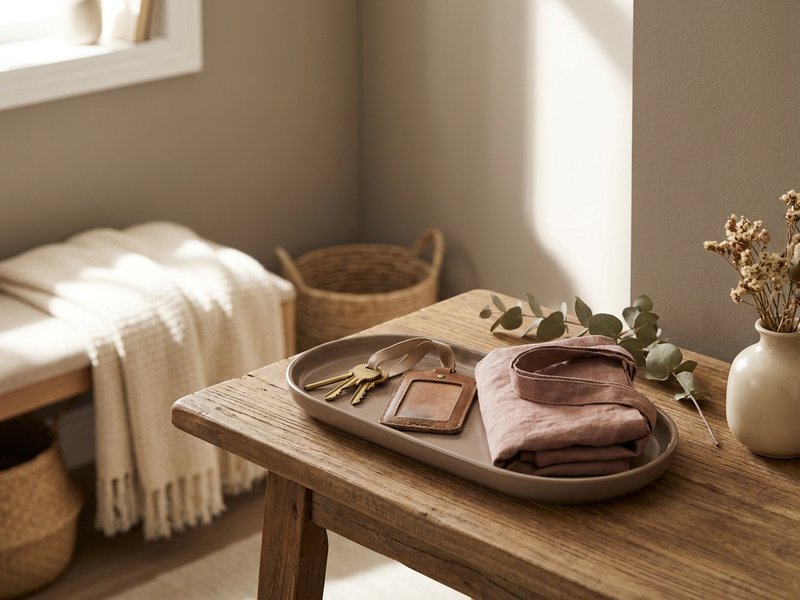
Ideas for days you cannot slow down still borrow from the slow morning system, just compressed. Prep a rushed morning kit the night before: bag, badge, keys, and any paperwork in 1 single spot by the door, so a fast morning does not also become a search. Use a visual timer instead of checking the clock repeatedly, since watching a shrinking bar of color is easier for an ADHD brain to track than reading numbers under stress. Let go of 1 non essential step without guilt, whether that is skipping breakfast at home in favor of the stashed bar from your bag, or leaving the bed unmade. What if even the compressed version feels like too much? Drop to 1 single move, the rushed kit by the door, and let the rest go for that 1 day. A rushed morning does not cancel out the slow ones you build the rest of the week.
What Should You Skip When Building a Slow Morning Routine?
Skip any morning system that adds a step instead of removing one, a 10 minute meditation practice bolted onto an already tight window, or a color coded planner you have to fill out fresh every day. If a slow morning idea takes longer to set up each night than it saves you the next day, it is not actually a slow morning idea, it is a second chore. Our guide to low energy day routines covers the related idea of building a system around your actual capacity instead of your best day, which pairs well with everything above. Is a slow morning routine the same every single day? No, and it should not be. The version that survives a low energy week looks different from the version on a good one.
How Do You Know a Slow Morning Routine Is Actually Working?
A slow morning routine is working when you stop dreading the alarm, not when every single idea above gets used every single day. Track 1 sign over 2 weeks: whether you are reaching for your phone first or reaching for water first. If the phone still wins most mornings, move it further from the bed before adding anything else to the list. What if a whole week slips back into the old scramble? Restart with just 1 move, the clothes laid out the night before, instead of trying to rebuild the entire routine at once.
My own small win was laying out my clothes and bag a full week in advance instead of scrambling every single morning. Everything sorted, hung, and ready by the door. My old pattern was always a last minute scramble and a side of shame. That week I just felt ready, and ready is a feeling I am still getting used to. You’re not behind. You’re just differently wired.
Save this before your next early alarm turns into another morning spent frozen in front of the closet.
Found this helpful? Pin this guide so you can come back to it anytime.
Frequently Asked Questions
Why are mornings so hard for ADHD women?
Mornings are hard for ADHD women because the circadian rhythm runs later than average, with delayed melatonin onset and a flatter morning cortisol rise. Alertness truly arrives late, so an early alarm fights the body clock instead of working with it.
How do I build a slow morning routine with ADHD?
Start by moving 1 decision to the night before, like laying out clothes or packing your bag. Add a low pressure first hour move, like keeping your phone untouched for 30 minutes, once the night before prep feels automatic.
Is it normal to dread waking up with ADHD?
Yes, dreading the alarm is a common experience among ADHD women, especially when mornings have always felt anxious or rushed. It reflects a real biological pattern, not a character flaw, and a slower routine can ease that dread over time.
Slow morning routine ideas for ADHD women who are always late?
Keep a 3 item minimum list of what truly has to happen before leaving, stock a grab and go breakfast stash, and set 2 alarms with different labels. Compress the same night before habits instead of abandoning them on rushed days.